




The International Efficiency 3 (IE3) motor standard will soon become South Africa’s legal minimum standard, mandating that local suppliers offer more efficient electric motors. What is driving this change, and how does it affect the many industries that rely on these modern electric workhorses?
The multi-century revolution
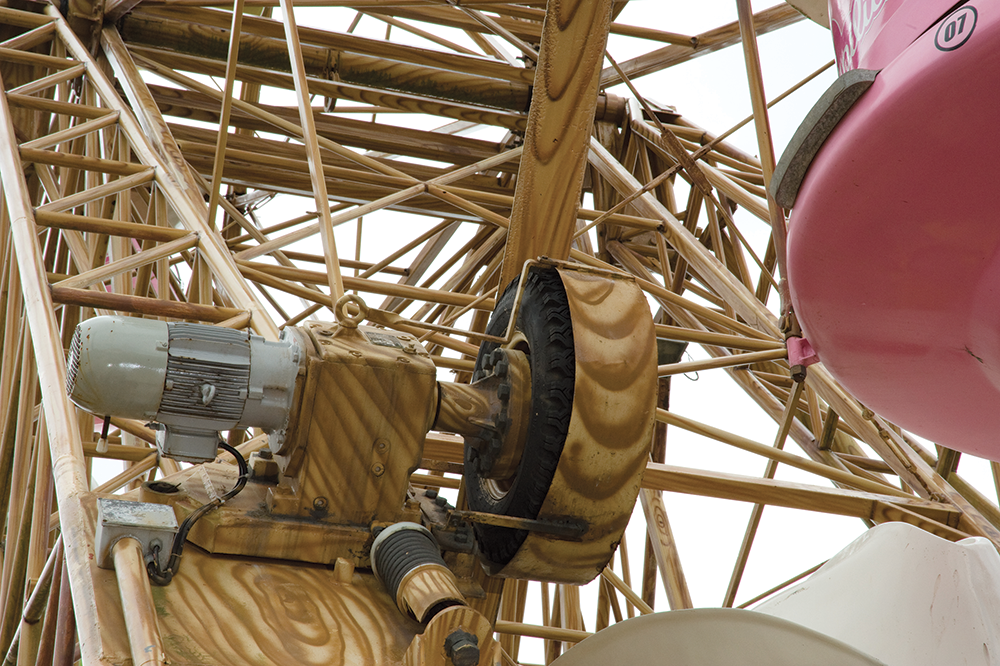
Electric motors are at the forefront of powering the modern world, generating over $150 billion annually in sales, according to Allied Market Research. Yet, industries that rely on these motors are grappling with rising energy costs and constrained spending. Electric motor-driven systems (EMDS) have a considerable impact on both, not least because they consume more than 40% of global electricity supplies.
“Most industries are focused on how to reduce their energy bills and increase energy efficiency,” says Rodrigo Cetenareski, sales and marketing director at WEG Africa. “They are also looking to save costs through more equipment efficiency, particularly around maintenance. These factors have made electric motors a priority area and put momentum behind MEPS regulations.”
A regulated sea change
Minimum Energy Performance Standards (MEPS) encourage the use of energy-efficient technologies, including electric motors. Managed by the International Electrotechnical Commission (IEC), new MEPS standards were published in 2007. The USA updated its MEPS laws in 2011, European countries followed by 2017, and China deployed similar regulations soon after. Currently, over 57 countries support the new MEPS standard, with more to follow. South Africa gazetted its new MEPS regulations in late 2023, with enforcement slowly coming online.

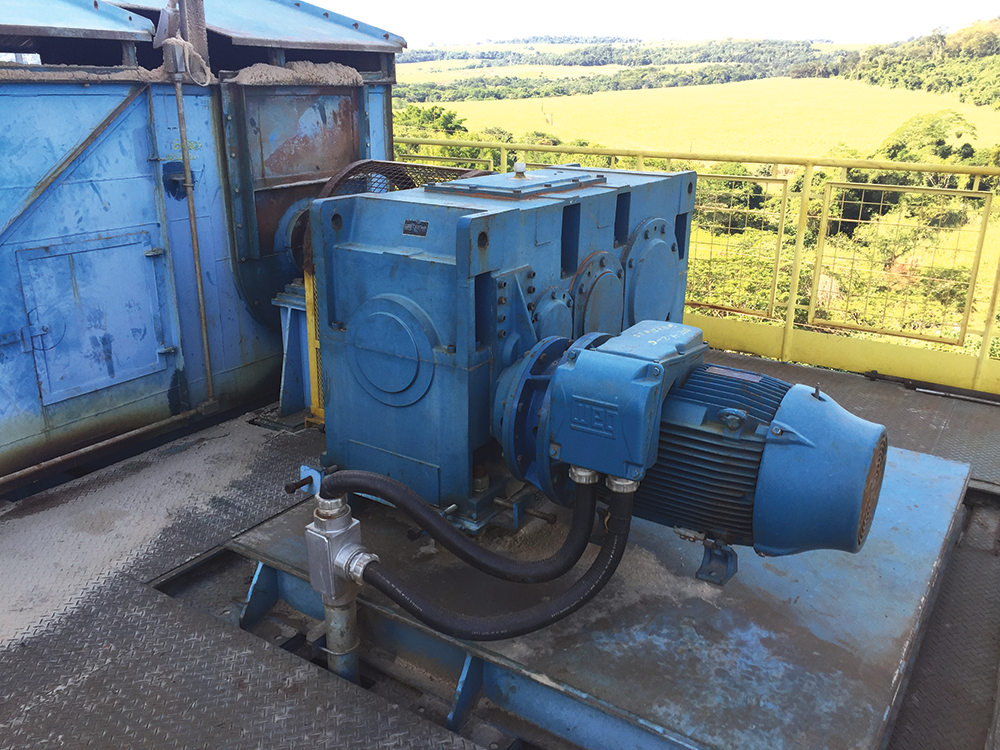
What are the implications of these new laws? There are numerous benefits that support industries’ saving and efficiency priorities. But before exploring those, what are the new requirements? The new regulations impact low-voltage electric motors in the 0,75 kW to 375 kW range, predominantly two-pole, four-pole, six-pole and eight-pole motors. Roughly 200 000 electric motor units are sold in SA each year according to the National Economic Development and Labour Council, with almost 70% of them between the 0,75 and 11 kW size range.
Yet, very few have stated energy ratings, suggesting that the majority are very inefficient IE1 motors that require frequent maintenance. Under the new regulations, most new motors must adhere to the IE3 standard. These regulations don’t affect current installations, but it might be more economical to replace broken motors with new models rather than repair or rewire them.
“Companies that rely on electric motors won’t have to rip and replace what they have. The new regulations focus on new motors sold in the country. However, when you look at the advantages of IE3 motors, there is good reason to consider upgrades,” says Cetenareski.
Reduced energy and maintenance demands
The costs of owning and running electric motors are incredibly disproportionate. The purchase represents only 2,3% of a motor’s lifetime cost, and maintenance only 1%. Almost 97% of motor costs go to electricity consumption.
IE3-level motors are more efficient than lower-rated models. Even though their margin is only between 4% and 8% to that of an IE1 motor, IE3 motors running for thousands of hours reduce energy losses by as much as 32%. They also produce lower temperatures, radically reducing their maintenance requirements and extending operational lifespans. There are also other peripheral gains, such as lower carbon emissions.
“Even though IE3 motors are slightly more expensive than lower-rated motors, they typically recoup the difference in less than 5 years, under some conditions even by the second year. The same logic resonates when older motors require repair or rewiring,” says Cetenareski. “Rewiring a motor can cost more than half of purchasing an IE3 motor. If you look at the subsequent savings, it makes more economic sense to phase out older motors rather than repair them.”
IE3 motors represent a significant advancement in electric motor technology. By upgrading, companies reduce energy costs, improve sustainability, enhance performance and comply with regulations. South Africa’s new MEPS regulations and the widening adoption of IE3 motors will unlock considerably more energy at a time when companies and consumers are looking to lower costs, gain value, and boost resilience.
| Tel: | +27 11 723 6000 |
| Email: | info_africa@weg.net |
| www: | www.weg.net |
| Articles: | More information and articles about WEG Africa |






© Technews Publishing (Pty) Ltd | All Rights Reserved
 printer friendly version