



Accurate level measurement is fundamental to safe, efficient and profitable mining operations. Reliable level data supports process control, equipment protection, regulatory compliance and inventory management across applications ranging from mineral processing and slurry transport to tailings management, cement handling and fuel storage. Achieving dependable level measurement in mining environments is rarely straightforward; abrasive slurries, corrosive chemicals, dust, vibration, extreme temperatures and material build-up can all affect instrument performance.
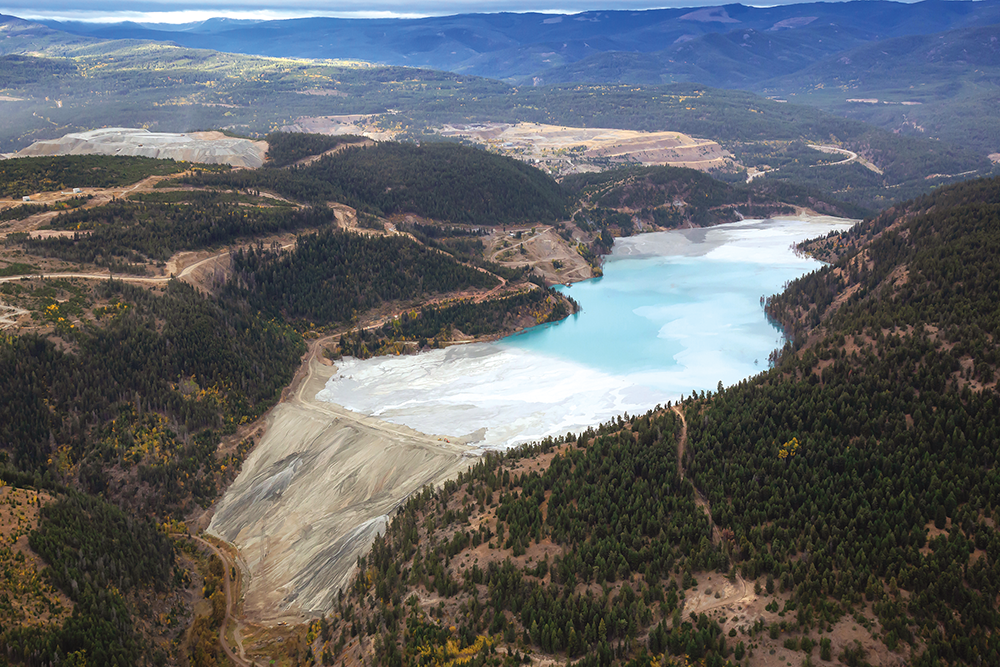
Many critical assets are located in remote areas where installing and maintaining wired infrastructure can be difficult and costly. Historically, these challenges have forced operators to rely on manual measurements or infrequent data collection, increasing personnel exposure to hazardous environments while limiting visibility into important processes.
Wireless measurement
Deploying wireless level measurement technologies enables mining companies to overcome these challenges. By eliminating the need for signal cabling, conduit installation and additional I/O infrastructure, wireless devices provide a cost-effective means of collecting high-quality data from virtually anywhere on a mine site. Wireless networks can be deployed quickly, expanded easily and installed with minimal disruption to operations.
WirelessHART has become a widely adopted industrial standard, providing secure and reliable communications while guided wave radar level transmitters, differential pressure transmitters, submersible pressure transmitters, and vibrating fork level switches have all been available in wireless configurations for many years. Until recently, however, an important gap remained: native wireless non-contacting radar level measurement.
Non-contacting radar transmitters are particularly well suited to mining applications, because they perform reliably in dusty environments, corrosive and abrasive applications and harsh weather while avoiding direct contact with the process media. The major obstacle to fully wireless non-contacting radar technology has been power consumption. Traditional frequency-modulated continuous wave (FMCW) radar technology typically requires significant energy to generate and process signals, exceeding what battery-powered wireless transmitters could support.
The introduction of Emerson’s Rosemount 3408 wireless non-contacting radar level transmitter addresses this challenge by combining highly efficient 80 GHz FMCW radar technology with WirelessHART communication and long-life power modules. The result is a native wireless radar solution that can be deployed where conventional cabling would be impractical or costly.
The availability of 80 GHz radar technology has also improved measurement performance in many mining applications. The higher-frequency signal produces a narrower beam angle, enabling the instrument to focus more effectively on the product surface while avoiding internal obstructions such as ladders, support structures and filling equipment. This simplifies installation and improves measurement reliability in challenging vessels and storage applications.
Supporting digital mining initiatives
Beyond reducing installation costs, wireless instrumentation is also helping mining companies expand the scope of their digitalisation programmes. Many operations already collect large volumes of data from critical assets, but visibility often diminishes at the edges of the operation where remote tanks, ponds, fuel facilities and environmental monitoring points remain disconnected. Wireless measurement helps close these information gaps by extending data collection to locations where wired instrumentation would be difficult to justify economically.
Continuous access to level data improves situational awareness and allows operators to identify developing issues before they affect production, environmental performance or asset reliability. The additional data can also support higher-level analytics, inventory optimisation and predictive maintenance initiatives.
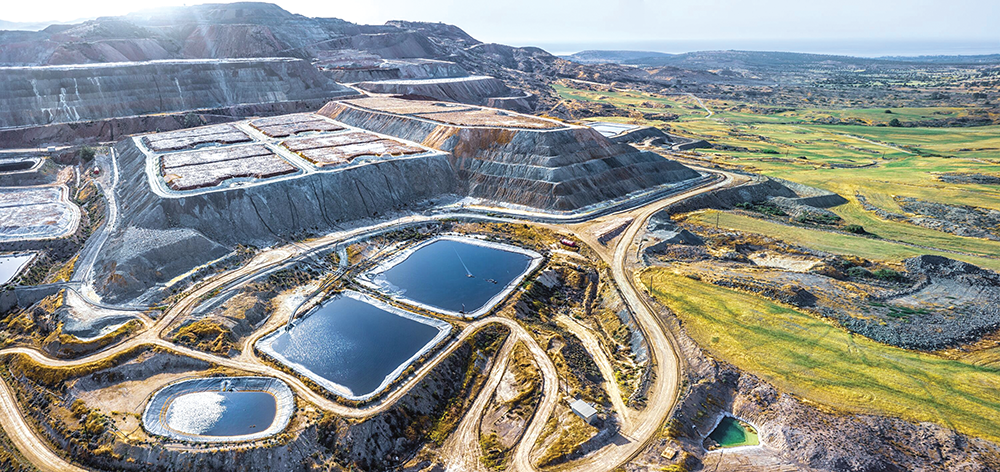
Open ponds and tailings dams
Open ponds and tailings dams require continuous level visibility to support regulatory compliance, water management and operational safety. Installing conventional wired instrumentation around large ponds or tailings facilities can be costly and challenging, but wireless level devices provide an effective alternative. Wireless non-contacting radar transmitters equipped with an atmospheric temperature and pressure antenna are particularly well suited to these applications. Their sealed antenna design protects sensitive electronics, while the high-frequency 80 GHz radar technology delivers reliable measurements despite dust, condensation, wind and changing weather conditions. Continuous level monitoring and configurable alarms help operators identify abnormal conditions early, prevent overfills, and support effective water and tailings management strategies while reducing the need for manual inspections.
Cement storage tanks and silos
Cement storage vessels present a demanding measurement environment due to heavy dust, frequent filling cycles and material build-up. These conditions can challenge traditional technologies and increase maintenance requirements. Wireless radar level measurement enables operators to monitor inventory remotely, reducing travel time to dispersed storage locations while helping prevent overfills and unexpected shortages. The Rosemount 3408 includes onboard diagnostics that can indicate when maintenance or antenna cleaning may be required. For applications involving low-dielectric materials such as dry cement, wireless guided wave radar provides a robust solution.
Fuel stations for mobile equipment
Fuel stations supporting mobile equipment such as haul trucks, loaders and drilling rigs can be sited at multiple locations, making inventory management challenging. Wireless level monitoring enables operators to connect tank level and temperature measurements from multiple fuel stations and transmit the data to a central control room or inventory management system. This reduces manual gauging, helps identify losses or theft and supports uninterrupted operations.
Copper solvent extraction applications
Wireless level measurement is also delivering benefits in solvent extraction and electrowinning facilities where process vessels are often distributed across large outdoor areas. Manual hand-dip measurements expose personnel to hazardous areas and produce inconsistent results. Wireless guided wave radar transmitters provide continuous and accurate level measurement while eliminating manual rounds. Built-in diagnostics can identify probe fouling and maintenance requirements before performance is affected, increasing process stability, operational efficiency and worker safety.
Conclusion
As the mining industry continues its digital transformation, wireless level measurement solutions are becoming a practical foundation for smarter, safer and more efficient operations. With accurate, low-maintenance and easily deployable instrumentation, mining companies gain the visibility needed to optimise production, strengthen environmental compliance, reduce operational risk and support long-term sustainability.
If you would like to view Emerson’s podcast explaining in more depth about its level measurement solutions for the mining industry, be sure to visit https://youtu.be/Zx8muO5uU3o
To listen to the audio version, visit https://tinyurl.com/3af6wsvy
For more information contact Emerson,
| Tel: | +27 11 451 3700 |
| Fax: | +27 451 3800 |
| Email: | [email protected] |
| www: | www.emerson.com |
| Articles: | More information and articles about Emerson Automation Solutions |






© Technews Publishing (Pty) Ltd | All Rights Reserved
 printer friendly version