




In medical technology, innovation is often judged by what is visible: connected devices, digital health platforms, advanced diagnostics, AI and increasingly automated production lines. Yet one of the most important drivers of patient safety is often invisible. It happens before a device reaches a hospital, clinic, laboratory or patient; it happens during quality control.
For South Africa’s growing medical technology sector, this invisible layer of assurance is becoming a strategic priority. As the country works to strengthen local medical technology manufacturing, reduce supply-chain vulnerability and build a more competitive healthcare technology ecosystem, manufacturers need more than innovation. They need repeatable proof that every product performs safely, consistently and compliantly. This is where medical device leak testing and flow testing become essential.
Why leak testing is essential in medical device manufacturing
Medical devices often carry fluids, gases or air. They may also include sealed chambers, flexible tubes, membranes, valves, sterile packaging or complex assemblies. A small leak can create a major risk. It can affect device performance, compromise sterility, create non-compliance, increase waste or expose patients and healthcare professionals to avoidable harm.
Leak testing is the process of verifying that a medical device, component or package maintains the required level of integrity. In practical terms, it helps answer the critical question of “Will this product perform as intended when it matters most?”
For products such as catheters, syringes, IV sets, dialysis equipment, inhalers, blood bags, ventilator components, plastic pouches, blisters, valves and connectors, integrity testing is not a final formality. It is part of the safety architecture of the product.
The role of non-destructive testing
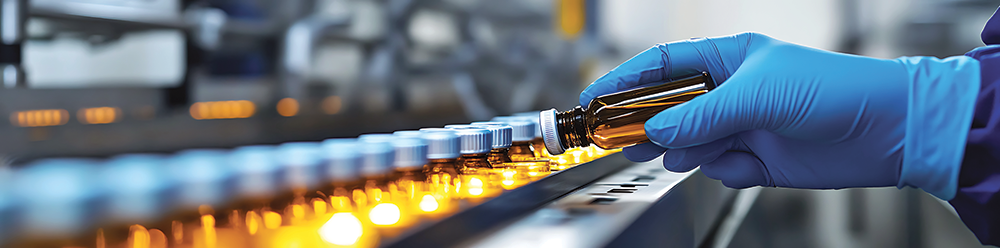
One of the key advantages of non-destructive leak testing is that it allows manufacturers to test products without damaging them. This is especially important in medical manufacturing where sterility, usability and production efficiency must be protected.
A non-destructive testing approach can support:
• 100% production-line inspection
• Repeatable test cycles
• Lower scrap rates
• Better process control
• Traceable quality records
• Faster identification of production defects
• Stronger validation and audit readiness
For medical device manufacturers, this creates a practical bridge between production speed and regulatory discipline. It helps quality teams detect problems early, protect the user, and maintain confidence in every batch.
ATEQ’s role in medical leak and flow detection
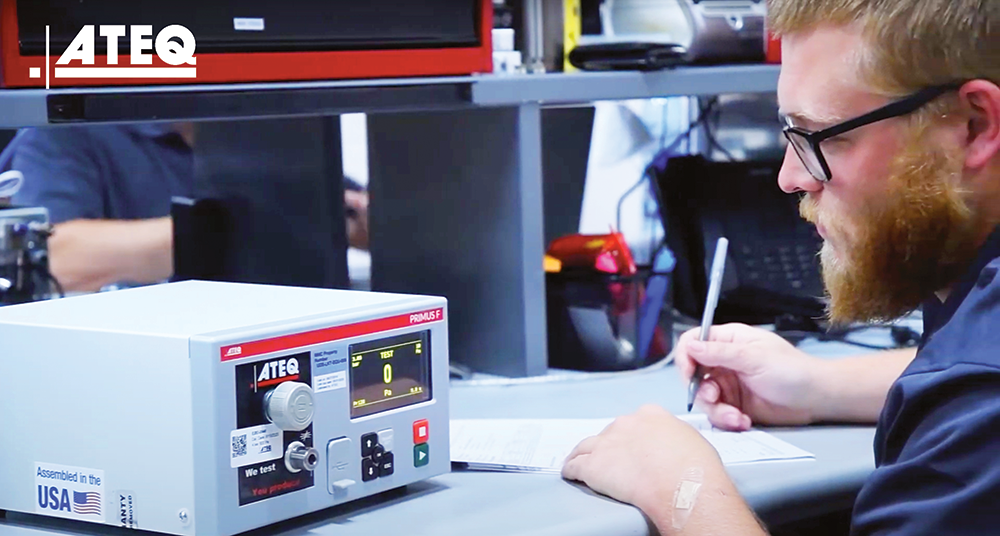
ATEQ’s medical leak and flow detection solutions are designed for laboratory and production-line quality control. Applications span a wide range of medical and precision-manufacturing products, including blisters, plastic pouches, surgical gloves, valves, catheters, syringes, pneumatic and hydraulic fittings, caps, membranes, batteries, blood pouches, IV equipment, aerosol pumps, inhalers and ventilators.
ATEQ product families include leak testers, flow testers and electrical testers used to support quality control in demanding manufacturing environments. These solutions are relevant wherever manufacturers need to verify integrity, flow performance, sealing quality or component reliability.
For South African medical technology manufacturers, this type of testing technology can support three important goals: safer devices; stronger compliance; and more efficient production.
From quality control to competitive advantage
Medical device leak testing can be a source of competitive advantage. Manufacturers that embed reliable testing into production can reduce costly rework, detect process drift earlier and protect brand reputation. They can also respond more confidently to customers who require documented quality assurance, validated processes and consistent product performance.
Quality, sustainability and right-first-time production
ATEQ’s commitment to quality and environmental management, including ISO 14001, reinforces the role of leak and flow testing as both a performance and sustainability tool.
In medical device manufacturing, every defective product has a cost as a result of wasted materials, extra energy consumption, rework, scrap and delayed production. By helping manufacturers detect defects earlier and confirm product quality from the first test, ATEQ’s technologies support a right-first-time approach, contributing to more efficient production, reduced waste and lower unnecessary energy use.
South Africa’s medical technology future will be defined by the country’s ability to manufacture safe, high-quality and compliant medical technologies at scale. This requires investment in people, processes, equipment and data. It also requires a mindset shift, and quality control should be designed into production, not added at the end.
Leak and flow testing technologies are part of this shift. They help manufacturers move from reactive inspection to proactive assurance. They make invisible risks measurable, turning product integrity into documented evidence. In medical technology, evidence is the foundation of trust.
| Email: | drikus@ateqsa.co.za |
| www: | www.ateq.com |
| Articles: | More information and articles about ATEQ South Africa |






© Technews Publishing (Pty) Ltd | All Rights Reserved
 printer friendly version