



When selecting electrical products for industrial, commercial or even domestic use it is crucial to consider how well they can withstand environmental factors like dust and water. This is where ingress protection (IP) ratings come into play. “Despite their importance, many users of electrical equipment are unfamiliar with what IP ratings truly mean,” says Pratley’s technical projects manager, Tristan Blades.
An IP rating is a globally recognised standard that indicates the level of protection that an electrical enclosure provides against the intrusion of solid objects and liquids. It is denoted by two digits. For example, in IP68, the first digit (ranging from 0 to 6) represents the level of protection against solid particles like dust, while the second digit (ranging from 0 to 9) signifies the protection against water. A higher number indicates a higher degree of protection.
Understanding IP ratings is essential to ensure the longevity and safety of electrical equipment, particularly in demanding industrial environments. “An appropriate IP rating ensures that the product can safely operate in specific environmental conditions without risk of damage or failure due to dust or water ingress,” explains Blades.
This is especially important in sectors such as mining, construction and manufacturing where components are regularly exposed to harsh elements. Without the appropriate IP rating electrical enclosures and fittings can fail, leading to safety hazards, system malfunctions and costly downtime. An IP rating gives both professionals and DIY users peace of mind knowing the product is built to last and function reliably in the conditions it was designed for.
Pratley’s approach to ingress protection goes beyond industry norms. All IP-rated Pratley products such as cable glands and junction boxes are subjected to rigorous third-party testing in addition to being tested continuously at the company’s advanced in-house laboratory. “This ensures that they do not just meet the required standards, but exceed them,” says Blades.
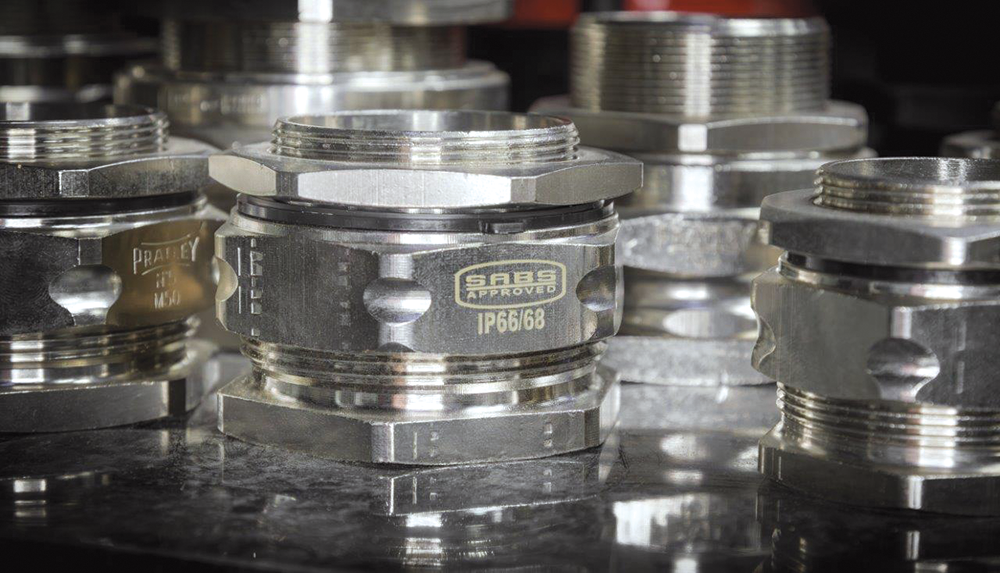
Pratley’s junction boxes and cable glands, including those designed for hazardous areas, are often certified with a dual IP66/68 rating. This means it is completely dust tight (IP6X), resists powerful water jets (IPX6) and can also withstand continuous submersion in water up to 2 metres (IPX8).
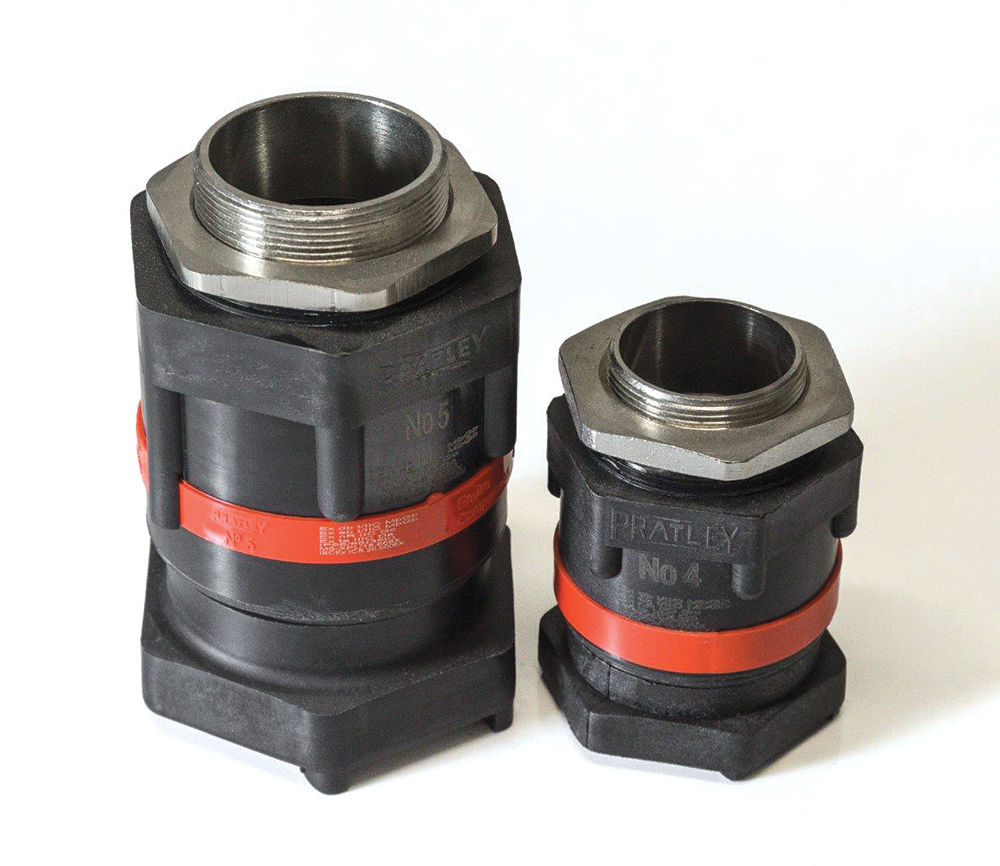
Blades adds that Pratley’s IP-rated junction boxes and cable glands are specifically engineered for use in extreme environments. Its compression glands for unarmoured cable, along with its Ex e and Ex d glands for armoured and unarmoured cable, deliver dependable performance where failure is not an option.
In addition to high-performance design, Pratley also considers the longevity of its products. Rubber sealing components can degrade over time, potentially compromising their effectiveness. To address this, Pratley specially formulates its rubbers in-house to ensure maximum longevity. Replacement gaskets for all junction boxes and cable glands are also available, enabling customers to maintain the integrity of the seal without replacing the entire unit. This not only extends the product’s lifespan but also provides a cost-effective solution for long-term reliability.
Choosing the correct IP-rated product is vital for safety and operational continuity, especially in environments where exposure to dust and moisture is unavoidable. “Our range of IP-rated electrical termination products offers the level of protection needed to meet the demands of industrial and hazardous area installations. In addition, our commitment to quality and innovation places Pratley products in a class of their own,” says Blades.
“When it comes to electrical installations, selecting products with the appropriate IP rating is not just a technical decision, it is a safety imperative. Our friendly team of technical sales specialists is always on standby for any customer advice or technical queries,” concludes Blades.






© Technews Publishing (Pty) Ltd | All Rights Reserved
 printer friendly version