



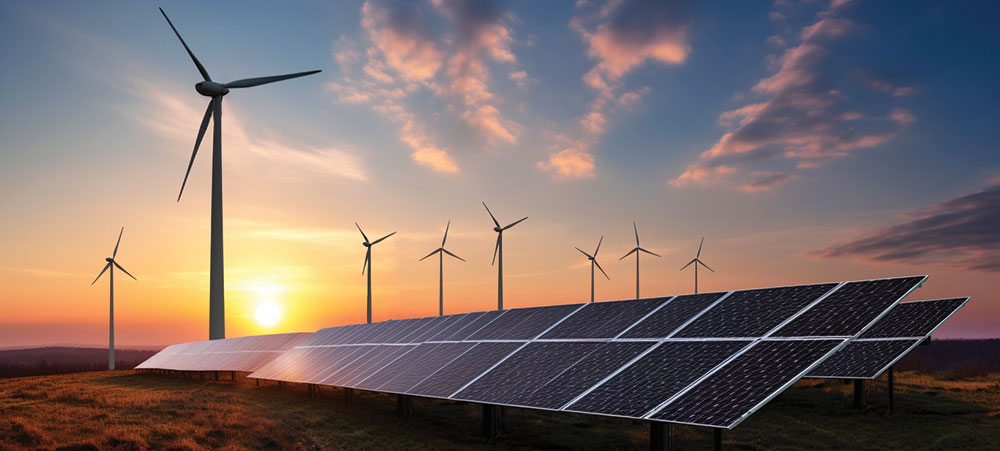
In an era marked by escalating climate concerns, and the urgent need for sustainable energy solutions, the power transmission landscape is undergoing a revolution. At the forefront of this transformation is the increasing integration of renewable energy sources such as solar and wind power into the grid. This article describes aspects of the grid services revolution, exploring challenges, strategies, market dynamics, policy frameworks, case studies, and future outlooks, and shows how they pave the way towards a cleaner, more sustainable energy future.
The traditional paradigm of power transmission is being reshaped by the growing prominence of renewable energy sources. Solar and wind power, once viewed as supplementary, have become central players in the global energy mix. However, integrating these renewable sources into existing power grids presents unique challenges. The intermittency and variability of solar and wind, together with location constraints, pose significant hurdles to maintaining grid stability and reliability. The dependency of renewables generation on weather conditions has necessitated innovative solutions to ensure grid operations can adapt without disruption.
To address these challenges, global efforts towards grid modernisation are intensifying. The deployment of advanced monitoring and control systems, alongside energy storage solutions and smart grid technologies, are enhancing grid flexibility and resilience. For instance, real-time monitoring systems enable grid operators to anticipate fluctuations in renewable energy generation, allowing for proactive adjustments to grid operations, thereby minimising disruptions. Additionally, technologies like static compensators and synchronous condensers are being implemented to strengthen the grid by providing voltage support.
Grid services, essential for maintaining grid stability with renewables, include functions like frequency regulation, voltage support and demand response. Frequency regulation maintains stable grid frequency, which is crucial for the reliable operation of electrical devices. Voltage support manages voltage levels within acceptable limits, preventing equipment damage, and ensuring consistent power quality. Meanwhile, demand response programmes help consumers adjust their electricity usage based on grid conditions in order to optimise energy resources and alleviate strain during peak periods.
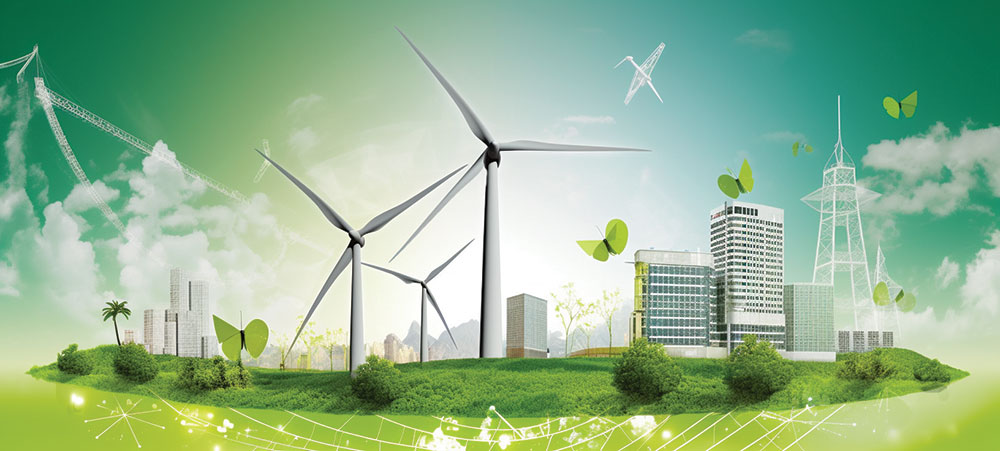
The transition has also resulted in a wealth of market opportunities. Independent power producers (IPPs), energy storage developers and technology vendors are capitalising on the increasing demand for grid services. These include rooftop solar installations, battery storage systems, smart meters, and innovative wheeling arrangements. Notably, the advent of battery storage systems at consumption points allows consumers to store excess renewable energy for later use, diminishing grid reliance and bolstering energy independence.
Proconics is actively contributing to the revolution in the grid services sector. The company is playing a key role in battery energy storage projects aimed at bolstering the energy supplied to the grid, showcasing their extensive skills and growing reputation in this critical area.
Moreover, it is spearheading the development of substantial new grid infrastructure. It aims to introduce an additional 2 GW of renewable energy into the grid. The first phase of this ambitious project involves the procurement, installation, and commissioning of a new 400/132 kV main transmission substation, with an initial capacity of 500 MVA. This is a testament to the company’s technical expertise in grid-tie transmission and distribution EPC projects. Its commitment to excellence and innovation in these ventures confirms its status as the grid-tie transmission and distribution EPC of choice.
Government policies and regulations are critical in the adoption of grid services. Initiatives such as Eskom’s unbundling are creating a more flexible and resilient power system; and regulation changes have simplified the licensing process for IPPs, and unlocked significant capacity, helping to address Eskom’s generation constraints.
Solar energy company, Solar Africa is an example of the successful implementation of grid services through its Sun Central project in De Aar in the Northern Cape. Sun Central will consist of three phases, providing up to 1 GW in total. The initial phase will deliver around 300 MW generated by over 560 000 solar panels. Once completed, Solar Africa will distribute solar energy from De Aar to commercial and industrial businesses across South Africa, before moving on to the project’s second phase. This project showcases the potential of renewable energy projects that offer both environmental and community value.
Looking ahead, the grid services sector can expect further evolution, with the expansion of virtual power plants, peer-to-peer energy trading, and integration of electric vehicles and distributed energy resources. However, challenges persist. These include cybersecurity risks, interoperability issues, and the need for substantial investment in infrastructure and workforce training. By embracing these challenges to expand smart grid capacity and ensure grid reliability we can lay the groundwork for a resilient, efficient and environmentally sustainable energy infrastructure.
| Tel: | +27 11 568 4780 |
| Email: | proposals@proconics.co.za |
| www: | www.proconics.co.za |
| Articles: | More information and articles about Proconics |






© Technews Publishing (Pty) Ltd | All Rights Reserved
 printer friendly version