



Industrial networks are expected to operate consistently and reliably under extreme conditions, such as electromagnetic interference (EMI), high operating temperatures, ambient outdoor temperatures, power/voltage fluctuations, machine vibration, mechanical hazards and more. For example:
* In the chemical processing and mining industry, environmental conditions are extremely harsh. Dust, dirt and dampness can threaten industrial networking devices and performance. Corrosive chemicals can damage the electronics in commercial switches and caustic chemicals and potentially explosive ambient conditions exacerbate the threat. While the use of wireless communications can alleviate some risk, these industries remain one of the most challenging industries for industrial networking.
* In the oil, gas and petrochemical industry, network switches and components typically have to withstand the destructive effects of temperature extremes, humidity, moisture, dust, mud, oil and solvents, and the potentially corrosive effects of chemicals.
* In water and wastewater treatment plants, the networking devices must endure high levels of humidity, grit and sludge, and, in some cases, are exposed to lime, as well as corrosive gases such as methane, hydrogen sulphide and chlorine.
Analysts report that an overwhelming percentage of unplanned downtime in industrial operations can be attributed to network infrastructure failure. According to one network management report, nearly 72% of network faults can be attributed to failure at the OSI Layer 1 (physical media), Layer 2 (data link) or Layer 3 (network). Untimely, costly disruptions could be prevented by installation of a robust network infrastructure utilising environmentally toughened, industrial-grade components in all three layers. A ruggedly designed framework enables industrial enterprises to carry out their mission-critical functions by providing the highest possible levels of:
* Safety – fail-save reliability and redundancy of network components that meet and exceed industrial requirements for potentially hazardous environments.
* Uptime – prevention of signal transmission problems is a major factor in ensuring consistent and dependable network uptime and plant productivity.
* Control – continuous monitoring, management and control, as well as operational efficiency, require continuity in network availability.
The cost of network failure
Industrial plants rely heavily on their communication networks to relay signals between devices, machinery and the control system, to activate events on an exacting and pre-determined schedule with little or no margin for error. Many industrial facilities are sizeable and their networking products must meet or exceed stringent industrial regulations and ratings. Users also desire optimal manageability and security so that network availability remains at a maximum.
Minimal downtime is the goal and 24/7 network performance and reliability are critical. No matter what the industry, if a switch or network component in the plant fails the cost of parts replacement and repair represents only a fraction of the costs associated with lost production and interrupted service to customers.
An industrial Ethernet infrastructure built to last
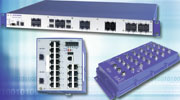
The way to ensure long-term performance and reliability of an Industrial Ethernet is to invest in network switches and components designed and rated specifically for use in harsh and demanding environments. The Hirschmann product family meets these requirements and the brand represents experience and expertise in automation technology, developed over many years of pioneering the development of Ethernet for industry networks.
For more information contact Vladimir Milovanovic, IAC, +27 (0)12 657 3600, [email protected], www.iaconline.co.za
| Tel: | +27 12 657 3600 |
| Email: | [email protected] |
| www: | www.iacontrol.co.za |
| Articles: | More information and articles about Industrial Automation & Control (IAC) |






© Technews Publishing (Pty) Ltd | All Rights Reserved
 printer friendly version