



Across South Africa, building owners continue to grapple with fragmented infrastructure which offers little insight into how systems are performing.
Today, a typical building will feature HVAC systems operating independently from lighting controls, while security, access control and energy monitoring are managed through completely different interfaces. The result is inefficient energy use, limited operational visibility and a poor occupant experience.
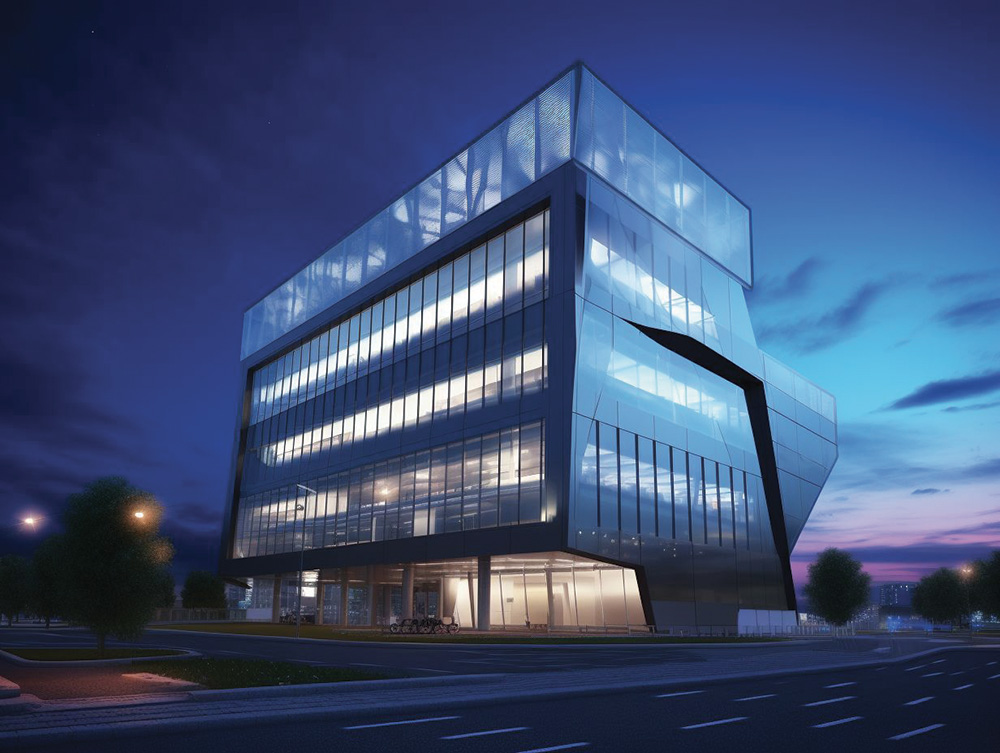
The good news is modern building management systems or BMS like Schneider Electric’s EcoStruxure Building portfolio can break down these silos, providing building owners with hourly insight into how their systems are performing.
“The BMS becomes the nerve centre of the building,” says Anoop Hariparsad, offer marketing manager, Microgrids, MEA at Schneider Electric. “It is the main controller that pulls together information from multiple sub-systems and automates how the building behaves.”
Through advanced analytics and AI-driven modelling, the BMS can continuously analyse occupancy trends, weather forecasts and operational patterns to optimise energy consumption automatically.
He explains: “For example, if a building historically requires 80% HVAC capacity on a 28-degree day with 100 occupants, the system can use this data, alongside external weather forecasts, to predict future demand and proactively optimise performance.
“Rather than cooling an entire building uniformly, the BMS can dynamically increase airflow in densely occupied zones while reducing output in under utilised spaces. The result is lower energy consumption without compromising occupant comfort.”
Automation that adapts to real-time occupancy
Another pain point facing commercial buildings today is fluctuating occupancy. Hybrid work environments mean buildings no longer operate on predictable schedules, yet many facilities still run HVAC and lighting systems at full capacity regardless of whether spaces are occupied.
Again, modern BMS platforms can address this through intelligent scheduling and occupancy-based automation. “Facility managers can programme buildings to operate fully during working hours while automatically shifting into low-energy ‘shutdown’ modes after hours. Lighting systems can dim or switch off, and HVAC systems can reduce output, with only critical systems remaining operational,” says Hariparsad.
“These systems stay flexible. Override functions allow late-working occupants to temporarily reactivate systems only where needed, ensuring energy is not wasted across the entire building.”

Beyond energy efficiency
While energy savings are often the primary focus of BMS discussions, the technology’s capabilities extend beyond utility management. Today’s intelligent building platforms also integrate with security, CCTV and access control systems to improve both safety and operational responsiveness.
“In high-security environments such as stadiums, campuses or healthcare facilities, integrated BMS systems can automatically initiate lockdown procedures when security threats are detected,” says Hariparsad. “If an intruder enters a restricted area, the system can isolate sections of the building, restrict access to sensitive zones and guide movement toward controlled exit points, all while CCTV systems automatically track activity in real time.”
Enhancing the occupant experience
In the hospitality industry, BMS running in smart hotels can integrate with property management platforms to personalise room settings automatically based on guest preferences.
“If a guest previously preferred a room temperature of 22°C, dimmed lighting and specific entertainment settings, the system can automatically recreate those conditions during future stays at other properties within the same group,” he explains. At the same time, occupancy-based room automation can dramatically reduce unnecessary energy consumption.
“We recently conducted a comparative study at a hotel in Durban between a standard guest room and an automated room managed through a BMS platform. The automated room, which dynamically adjusted lighting and HVAC usage based on occupancy, delivered energy savings of approximately 60% over the monitored period,” says Hariparsad.
Building smarter, one step at a time
One of the most common misconceptions surrounding BMS technology is that implementation requires a massive upfront investment. “Our EcoStruxure Building portfolio enables organisations to begin with smaller deployments targeting high-impact areas before expanding gradually across entire facilities or property portfolios. “This phased approach allows building owners to identify immediate efficiency gains, reduce operational costs and build a stronger long-term business case for further automation investments,” Hariparsad concludes.
| Tel: | +27 11 254 6400 |
| Email: | [email protected] |
| www: | www.se.com/za/en/ |
| Articles: | More information and articles about Schneider Electric South Africa |






© Technews Publishing (Pty) Ltd | All Rights Reserved
 printer friendly version