



In an ideal world, a single steam user has consistent load demand and operates continuously. However, reality is rarely this simple, and managing a dynamic steam plant operation featuring multiple users requires strong technical skills, good communication and close attention to optimising results.
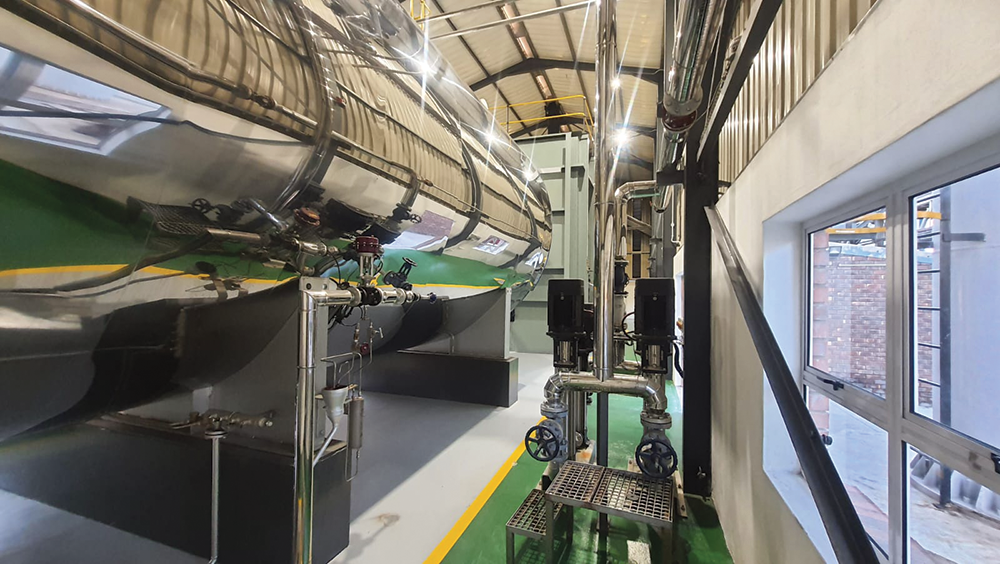
When managing consistent steam pressure supply, variations that impact on operations include time and duration of use, steam draw profiles, different steam pressure requirements, direct or indirect steam use, condensate return differences, and different boiler technologies and fuels. All this is while factoring in the potential use of accumulators and steam pressure control valves.
Optimising efficiency of steam generation (boiler load balancing, fuel trims, emission management due to load changes), together with carefully managing changes to steam and condensate return reticulation systems, are also important additional factors.
Measuring and monitoring
AES’s remote monitoring system gathers steam generation plant data and records critical operational monitoring parameters including steam pressure, steam flow, steam loads per boiler, flue gas CO2 per boiler, stack temperature per boiler, overall feedwater temperature and quality, and other operational impactors. “This data is essential to monitor boiler efficiency and steam quality,” says AES commercial director, Dennis Williams. “Other critical measurements at reticulation and usage points include steam pressure, steam pressure control systems and the condensate recovery system, particularly the quality of condensate such as pH, total dissolved solids and hardness or potential contamination through product leakage into the steam or condensate space. The focus is not only on minimising steam use to achieve energy requirements, but also on maximising the percentage and quality of condensate return to save water and recover heat,” he says.
Process understanding and operational map
Understanding the process starts when setting out to achieve efficient, optimal steam generation and thermal energy supply across a multi-use site. This is critical in order to determine the energy flows required in terms of timing, tonnages, pressures, variability profiles and condensate return generated. These factors form an overall operational map of the variation in demand and load on the steam plant.
AES then determines the best operational strategy, including when to start which assets, boiler load profiles at specific times, and the management of risk in the event of equipment challenges or breakdowns. Site-specific operating procedures are optimised based on the configuration of the plant and user requirements. “
Williams says that communication is key, particularly when it comes to setting realistic client expectations. With AES’s hyper-focus on steam generation, there are fewer opportunities to point fingers. The boiler house has historically been blamed for many process disruptions. The data required to understand the root causes of issues was not always accessible. Fortunately, AES’s service level agreements provide clear, measurable deliverables.
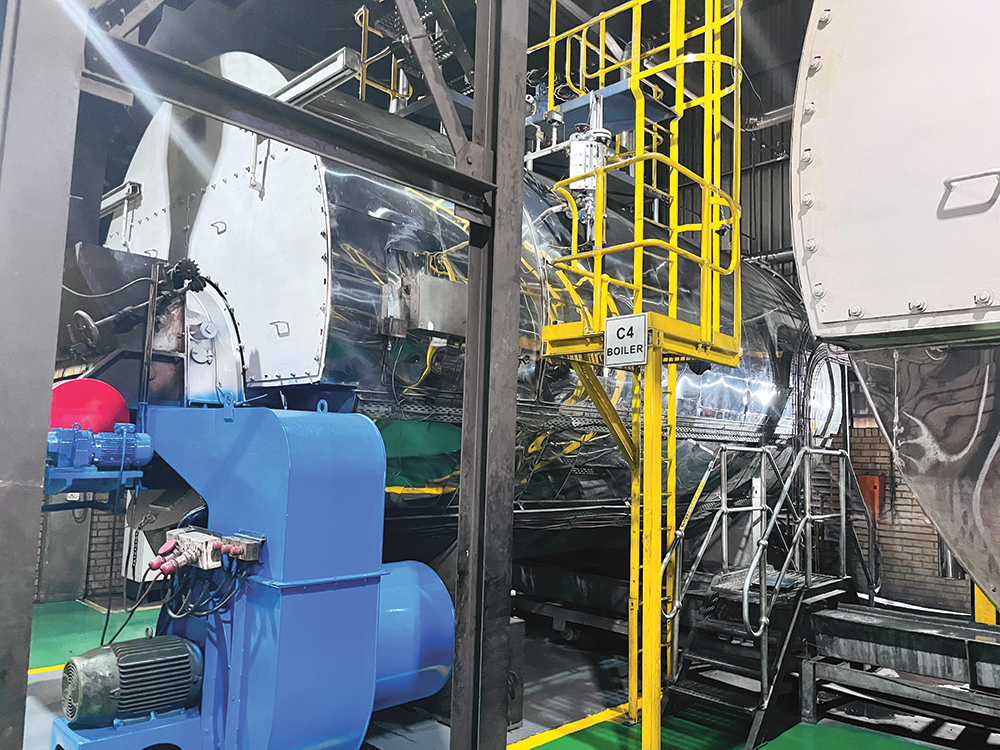
Multi-use with multiple boilers
Williams acknowledges that it is far more complex to operate a multi-use site with multiple boilers, than with a single boiler. Myriad factors under the control of the steam plant operator (AES) and the steam user (the client) must be coordinated. While having the same operational requirements and levers, a single-user site is inherently simpler. The demand input is less intensive, with lower impact on any potential operational issues on the generation plant.
Additionally, process safety management within a multi-user environment requires consistent practices across multiple boilers. “If using different boiler designs, fuels or combustion systems, we must ensure safe operation for multiple pressure vessels, multiple combustion devices, more hot surfaces, and more maintenance at heights and/or in enclosed spaces. Therefore, a strong management system regarding permissions, task planning, risk review and procedure setup is essential,” he explains.
On multi-user sites, there is also greater variability when it comes to pipework, valves, systems and operating procedures. Startup and shutdown of steam and condensate lines to particular units which are being brought into and out of service must be safely managed. This includes heating of lines, condensate removal to prevent steam line water hammer, and system lockout to prevent steam burns, and pressure release risks when restarting systems. Processes with different steam pressure requirements must be operated and maintained. Over-pressurisation of steam use systems downstream can have significant safety impacts.
“Multi-user sites are challenging, demonstrating that crystal-clear communications and tried-and-tested technical skills and experience are imperative to ensure the successful integration of steam generation, reticulation and use,” he concludes.
For more information contact AES,






© Technews Publishing (Pty) Ltd | All Rights Reserved
 printer friendly version