



Across South Africa, water utilities are facing growing challenges related to water quality, climate change and increasing environmental pressures. Rising temperatures, nutrient-rich runoff and changing weather patterns are contributing to more frequent harmful algal blooms. These blooms not only affect water quality, but also create operational challenges for treatment facilities and potential health risks for communities.
As water authorities continue working toward reliable and sustainable water management, early detection and proactive monitoring have become essential. Harmful algal blooms are caused by rapid growth of algae and cyanobacteria in water systems. Some cyanobacteria can produce toxins, unpleasant taste and odour compounds, such as geosmin and
Conventional microscopy methods often require highly skilled analysts and long analysis times, limiting the number of samples utilities can process. As a result, blooms may remain undetected until they become visible, more difficult and expensive to treat.
FlowCam provides a smarter and faster alternative
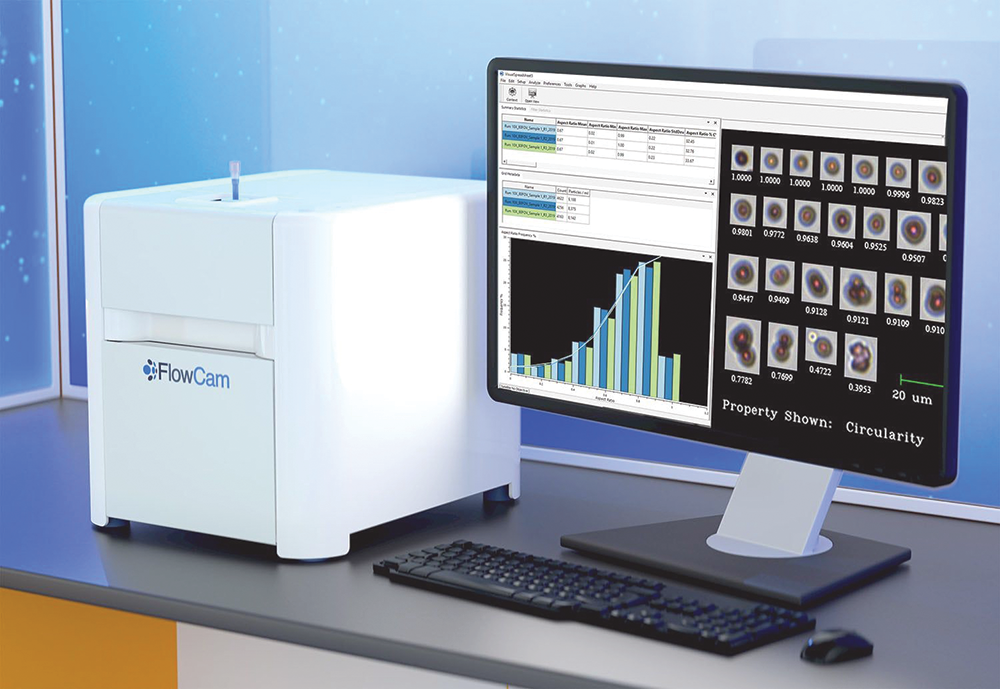
FlowCam combines digital imaging, microscopy, and particle analysis into one high-throughput system capable of capturing thousands of particle images within minutes. The system automatically identifies, measures and classifies algae, cyanobacteria and other particles in water samples, helping operators detect bloom-forming organisms at a much earlier stage.
One of the key advantages of FlowCam is its ability to provide image-based monitoring rather than relying only on indirect measurements. Operators can clearly visualise the organisms present in the water and understand their concentration, size and morphology. This allows utilities to identify whether the water contains harmless algae, toxin-producing cyanobacteria or filter-clogging organisms before operational problems occur.
FlowCam Cyano, specifically designed for cyanobacteria detection, uses fluorescence-triggered imaging technology to separate cyanobacteria from other algae and debris automatically. This enables faster and more accurate monitoring without requiring advanced taxonomic expertise.
For South African utilities where reservoirs and water storage systems are often exposed to agricultural runoff, warmer climates and seasonal drought conditions, proactive monitoring is becoming increasingly important. Early detection allows operators to implement treatment measures before blooms escalate, helping reduce chemical usage, operational downtime, customer complaints and treatment costs.
An example of FlowCam’s benefits comes from the city, Wichita Falls in Texas, USA. After years of experiencing harmful algal blooms, taste and odour issues, the utility implemented a proactive monitoring programme using FlowCam. The system enabled operators to rapidly identify cyanobacteria growth and take targeted action before blooms became severe.
As a result, treatment costs were significantly reduced. According to the case study, reactive bloom treatment previously cost up to
Beyond cost savings, FlowCam also improves operational confidence. The platform creates a permanent digital record of water samples allowing laboratories and utilities to track trends over time, validate treatment strategies, support reporting requirements and strengthen operator training programmes.
FlowCam supports a complete monitoring workflow for harmful algal bloom including:
• Early detection of cyanobacteria and nuisance organisms
• Rapid imaging and automated organism classification
• Quantification of bloom severity
• Support for treatment trigger decisions
• Monitoring treatment effectiveness and bloom recovery
As South Africa continues investing in sustainable water infrastructure and improved environmental management, technologies that support early detection and data-driven decision making will play a critical role in protecting drinking water quality.
FlowCam enables utilities to transition from reactive response to proactive prevention, helping operators make faster, smarter and more informed decisions to protect both public health and operational performance. With increasing pressure on water resources across the region, proactive harmful algal bloom monitoring is becoming essential for the future of water management.
| Tel: | +27 11 831 6300 |
| Email: | [email protected] |
| www: | www.yokogawa.com/za |
| Articles: | More information and articles about Yokogawa South Africa |






© Technews Publishing (Pty) Ltd | All Rights Reserved
 printer friendly version