



Once a curiosity in the early automotive age, IWMs (IWMs) are now re-emerging with real promise. Over a century ago, Ferdinand Porsche’s 1900 Lohner-Porsche electric car turned heads with its wheel-hub motors, one in each front wheel, offering direct drive without a central engine or transmission.
The concept fizzled out in the face of the internal combustion engine, but advances in materials, electronics and power management are now reigniting interest in this alternative drivetrain layout. From electric cars to commercial vehicles and even aircraft, IWMs are on the verge of transforming transportation engineering.
What are IWMs?
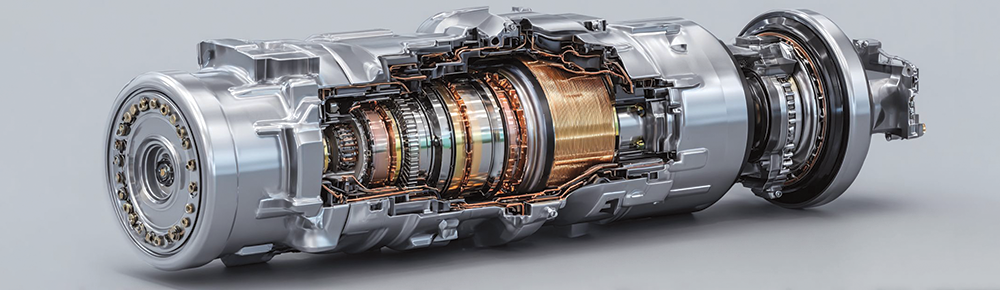
IWMs have the electric motor directly inside the wheel assembly, eliminating the need for traditional drivetrain components such as driveshafts, transmissions and differentials. Each wheel motor operates independently, allowing for precise control over torque distribution and braking.
How IWMs work
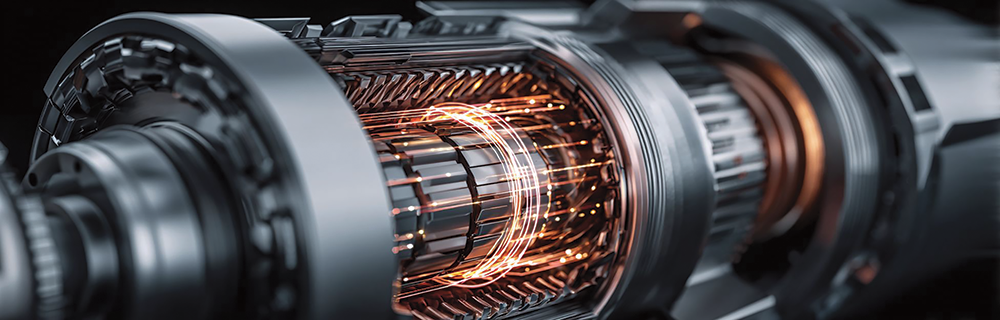
The idea is wonderfully simple. Rather than using a single, centrally mounted motor to deliver power through a complex system of axles, differentials and transmissions, the layout is flipped inside out. IWMs sit directly inside each wheel, providing torque directly and avoiding the energy losses associated with the gears and transmission links in centrally-mounted motors. This also allows each wheel to be independently controlled to suit different road conditions, which improves stability. No gears or driveshafts means less friction and weight. In Renault’s proposed 5 Turbo 3E, each rear wheel has its own torque control for ultra-capable torque vectoring and variable drift modes.
Advantages
The engineering advantages are clear: mechanical simplicity, more responsive handling and potentially greater energy efficiency due to fewer transmission losses. The direct-drive arrangement cuts out much of the energy loss associated with traditional drivetrains and could allow an EV to travel a greater distance on a single charge. It also offers precise control over each individual wheel, which can improve handling, traction and stability, especially in slippery or uneven conditions. The space freed up within the body also allows for more spacious interiors, larger battery packs and lighter and more aerodynamic bodies.
Engineering challenges and solutions
Historically, IWMs faced significant hurdles: weight, durability, unsprung mass and thermal management. Placing the motor inside the wheel adds to the unsprung weight − the portion of the vehicle not supported by the suspension − which can negatively affect ride comfort and handling, particularly on rough roads. Motors are also subject to exposure from dust, water and shock loads.
Recent developments in materials and design are addressing these issues. Lightweight composites, advanced alloys and compact power electronics help reduce weight and bulk. Magnetic materials such as neodymium-iron-boron improve power density, while sealed enclosures and liquid cooling systems enhance durability and thermal performance.
Leading players such as Protean Electric, Elaphe and Schaeffler have been refining these technologies for years. Protean’s PD18 motor, for example , fits within a 45 cm wheel and delivers up to 1000 Nm of peak torque, with integrated inverters and regenerative braking. It’s designed for real-world use, not just concept cars. Protean’s motors are already being installed in light commercial vehicles converted to run on electricity. ConMet, an American company, fits them to the wheels of trucks where they work in reverse as generators powering the vehicles’ refrigeration units.
Applications and future potential
IWMs are finding their niche in electric vehicles, particularly for compact urban vehicles, electric shuttles and last-mile delivery vans where interior space and weight distribution are critical. For example, companies like REE Automotive are pioneering flat electric platforms that use IWMs in combination with corner modules − self-contained units that house steering, suspension, braking and propulsion.
In sports cars and high-performance electric SUVs the independent control of each wheel allows for precise torque vectoring, enhancing grip, improving cornering and increasing vehicle stability. The result is handling dynamics that can surpass traditional systems, and particularly ground support vehicles at airports represent another promising application. These require high torque for moving equipment and cargo over short distances, along with excellent agility. IWMs offer a neat solution providing the torque needed while freeing up space for batteries.
In-wheel technology is also being explored in military and off-road applications. Here, the benefits are more about performance and resilience. In-wheel systems can help reduce noise, offering a stealth advantage, reduce the risk of failure due to impacts or terrain damage and enhance vehicle agility in challenging environments.
Looking ahead
Challenges remain, particularly around cost, standardisation and managing unsprung weight in high-speed applications. However, ongoing R&D, coupled with strong interest from OEMs and startups, suggests that IWMs are no longer a fringe technology. If so, we may be witnessing a quiet revolution, driven not by louder engines or bigger batteries, but by smarter, smaller motors hidden inside our wheels.






© Technews Publishing (Pty) Ltd | All Rights Reserved
 printer friendly version