



Artificial intelligence (AI) is driving a significant transformation in all areas of industrial automation, and machine vision is no exception. Omron’s AI-powered machine vision systems seamlessly integrate state-of-the-art algorithms, enabling machines to analyse and interpret visual data meticulously. These systems leverage deep learning techniques to identify patterns and anomalies, increasing defect detection and quality control processes. Moving away from traditional vision systems, Omron’s AI-infused solutions demonstrate adaptability to production variations, reducing false positives and ensuring consistent product quality.
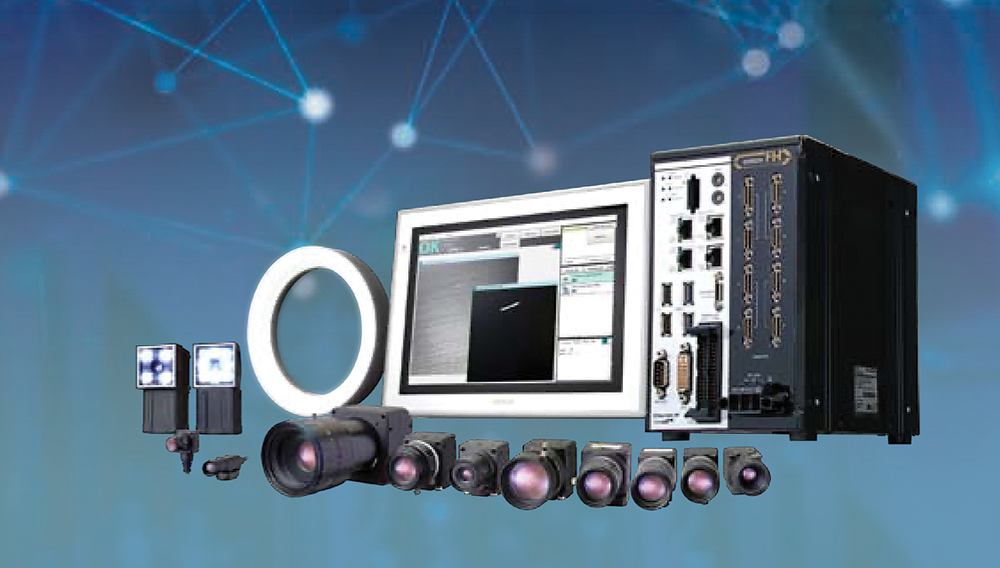
The infusion of AI into machine vision is reshaping the manufacturing landscape by elevating precision, efficacy and adaptability within production processes. Traditional machine vision systems relied on predetermined parameters and rigid programming, confining their capacity to accommodate variations in manufacturing settings. Omron’s AI-powered machine vision systems employ sophisticated algorithms and deep learning to meticulously analyse visual data, identify patterns and discern anomalies with exceptional precision.
One of the most significant changes brought by AI in machine vision is the improvement in quality control. AI systems can identify defects and inconsistencies missed by humans, ensuring higher product quality and reducing waste. These systems continuously learn from new data, refining their accuracy and adapting to changes in production, which minimises false positives and enhances overall reliability. Omron incorporates deep learning into its machine vision solutions, enhancing the ability to identify subtle defects and variations that traditional systems might miss. This capability is critical for quality control as it ensures that only products meeting the highest standards reach the market.
Omron’s FHV7 smart camera combines AI with advanced imaging capabilities, providing real-time feedback for dynamic adjustments on the production line. This adaptability not only improves throughput but also minimises downtime by swiftly identifying and rectifying issues. By incorporating AI-based machine vision technologies, manufacturers achieve higher operational efficiency, reduced waste and superior product quality, positioning themselves competitively in the market. With ongoing innovations, Omron continues to push the boundaries of what’s possible in industrial automation, delivering intelligent solutions that drive productivity and precision to new heights.
Vision-guided robots equipped with AI can perform operations quickly and precisely, reducing the need for manual intervention and decreasing the likelihood of errors. The FH series vision system utilises sophisticated AI algorithms that enable machines to analyse and interpret visual data with high accuracy. These algorithms allow for real-time learning and adaptation, improving the system’s ability to recognise patterns and detect anomalies across various manufacturing processes.

AI integrated into machine vision significantly improves predictive maintenance by preemptively identifying potential equipment failures. Through the analysis of visual data from machinery, AI systems can forecast equipment failures before they manifest. This predictive maintenance proficiency is instrumental in mitigating unforeseen downtime and elongating the operational life of critical equipment, ultimately streamlining maintenance schedules and reducing costs.
Omron’s AI-powered vision systems are designed to accommodate a diverse spectrum of industrial applications, ranging from basic inspections to complex automated assembly processes. This adaptability empowers manufacturers to deploy these systems across various production stages, thereby augmenting overall operational efficacy. Ensuring accessibility and user-friendliness, even for operators with minimal technical knowledge, Omron’s AI-enhanced vision systems feature intuitive interfaces and comprehensive support materials, facilitating seamless integration into pre-existing workflows, and maximising the benefits of AI without necessitating extensive staff retraining.
The integration of AI into machine vision is revolutionising manufacturing, making it more intelligent, efficient and adaptable. This technology upholds quality standards, optimises production processes and sustains competitiveness. Omron is dedicated to advancing AI capabilities in machine vision, ensuring state-of-the-art solutions for the manufacturing industry’s evolving needs.
Omron, a leader in industrial automation, offers a comprehensive range of control components and equipment, including vision sensors, controllers, servomotors, safety devices and industrial robots. The company delivers unique and effective automation solutions globally through i-automation, integrating control evolution, intelligent development via ICT, and interactive harmonisation between people and machines. Committed to manufacturing innovation, Omron brings its strategic concept to life, creating a better society through advanced technologies and customer support.
| Tel: | +27 11 579 2600 |
| Email: | [email protected] |
| www: | www.industrial.omron.co.za |
| Articles: | More information and articles about Omron Electronics |






© Technews Publishing (Pty) Ltd | All Rights Reserved
 printer friendly version