



In today’s rapidly evolving industrial and commercial landscapes, the integrity of electrical infrastructure has become a non-negotiable priority. Outdated or poorly documented systems can pose significant risks to operational continuity and safety.
While many industries are embracing transformation and modern technologies, some remain tethered to legacy mindsets, clinging to the ‘if it’s not broken, don’t fix it’ philosophy. Fortunately, this mindset is gradually fading as organisations recognise the value of innovation, resilience and future-readiness.
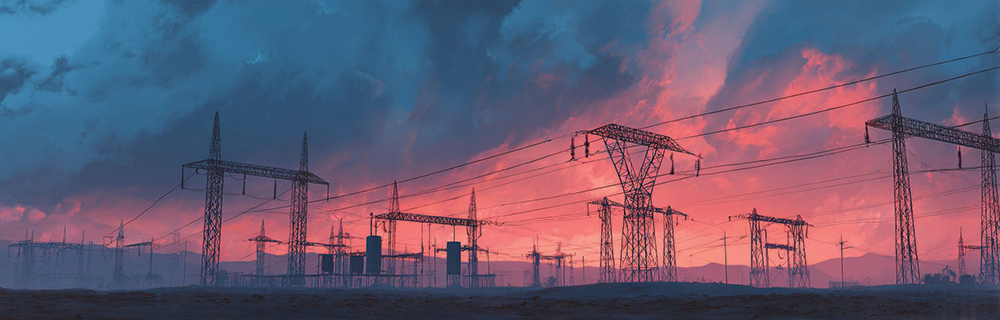
Modern industries increasingly depend on uninterrupted power supply and strict compliance with evolving safety standards. As new technologies emerge, so do new risks, making it imperative to ensure that infrastructure is not only functional but also adaptive and secure. Outdated or ageing systems pose significant threats, not just to operational continuity, but to the safety of the people keeping those systems running.
Think of it like the human body. When you’re unwell, productivity drops, costs rise and recovery takes time. Similarly, compromised infrastructure leads to downtime, financial loss and reputational risk. Businesses lose revenue, incur repair costs and risk falling behind competitors who are better equipped to handle disruption.

Consequences of hidden risks
Crucially, the risks posed by outdated and poorly documented electrical systems often remain hidden until it is too late. From undetected faults to regulatory non-compliance, the consequences can be costly and dangerous.
Digital solutions are changing that. With tools like digital twins and real-time monitoring, we gain visibility into system health, predict failures before they happen and schedule maintenance with precision. It is like driving a high-end car that tells you when to refuel or perform a service; ignoring those signals puts you at risk.
The same applies to infrastructure, as every minute of downtime is lost revenue, and every unnoticed flaw is a threat to safety and continuity. By embracing digital intelligence, industries can move from reactive to resilient, thus protecting people, preserving productivity and ensuring that critical systems never fall behind.
Embracing digital twin technology
Digital twin technology is often misunderstood and seen as a buzzword rather than a practical tool. Yet, at its core, it is simple; a digital twin is a virtual replica of a physical asset or system. What exists onsite is mirrored on a screen, enabling remote monitoring, control and analysis. The real power lies not just in the replication, but in the functionality it unlocks.
There are three key dimensions to this transformation: real-time tracking, predictive maintenance and smarter budgeting and asset optimisation. Digital twins turn uncertainty into control and risk into resilience.
At the same time, maintaining an up-to-date asset map is no longer just good practice, it is essential for compliance and operational integrity. Regular asset mapping ensures nothing is overlooked during audits and makes it easier to demonstrate alignment with increasingly demanding standards. As regulations evolve, so must our systems.
This is where real-time data becomes indispensable. By continuously tracking asset conditions and usage, we create a living map of the facility, one that reflects reality, not assumptions. When mapped against compliance frameworks, deviations are flagged instantly, allowing for immediate intervention. Real-time insights empower teams to act before issues escalate, ensuring that compliance is not reactive, but embedded into daily operations.
Unlocking measurable value
However, digital transformation is not just about modernisation, it is about unlocking measurable value across operations. By leveraging real-time data and predictive analytics, organisations can shift from reactive firefighting to proactive planning, yielding substantial cost and efficiency gains.
Ultimately, digital transformation unfolds in stages, with each one unlocking deeper operational insight and strategic control. At its core, this journey is about evolving from reactive problem solving to predictive foresight, ultimately enabling self-sustaining systems that protect people, assets and reputations.
In a world where reputational risk and operational volatility are rising, digital maturity is not optional; it is foundational. Organisations that embrace this journey position themselves not just to survive, but to lead.
| Tel: | +27 11 254 6400 |
| Email: | [email protected] |
| www: | www.se.com/za/en/ |
| Articles: | More information and articles about Schneider Electric South Africa |






© Technews Publishing (Pty) Ltd | All Rights Reserved
 printer friendly version