



The ‘World Engineering Day’ on 4 March 2025 was a powerful reminder of the critical role engineers play in driving progress toward the sustainable development goals (SDGs). The theme ‘Unleashing the power of engineers to advance the SDGs’ underscores the immense potential that engineering solutions hold in addressing some of the world’s most pressing challenges. Among these, climate change stands as one of the most urgent and undeniable threats. In South Africa, the impact of climate change is no longer a distant concern – it’s a harsh reality that is already reshaping the landscape. The country faces an unpredictable climate that brings with it an escalating frequency of extreme weather events.
From severe droughts and devastating wildfires to torrential storms and catastrophic flooding, the effects of climate change are disrupting lives and damaging vital infrastructure. However, while the challenges are formidable, they are not insurmountable. The time for action is now, and engineers in South Africa are calling for climate action that can mitigate the damage and build a more resilient, sustainable future for South Africa.
The weather events to watch out for
As global temperatures rise, the consequences for South Africa’s climate will become more severe. The country’s weather is becoming more erratic, with extended periods of drought, intense heatwaves and unpredictable rainfall. These changing patterns will continue to affect several sectors, especially agriculture, which relies on stable weather conditions for food production.
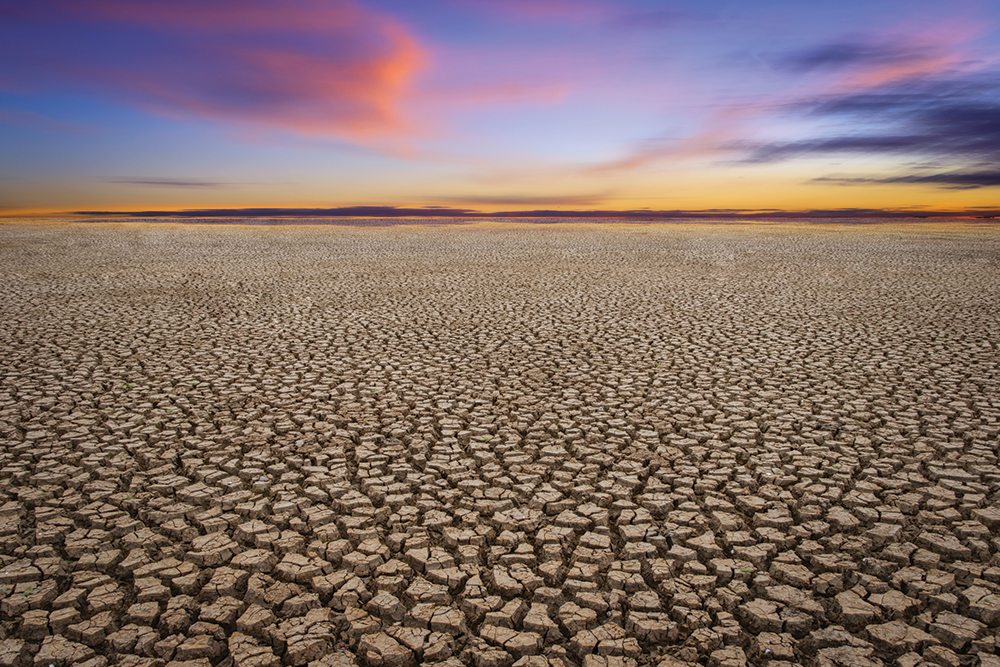
Prolonged droughts are one of the most pressing challenges South Africa faces, and the ramifications are far-reaching. Agriculture, which is a significant part of the economy, will be under immense strain as water resources become scarcer.
The combined effect of these droughts and the increasing frequency of heatwaves – some of which could exceed 40°C – poses not only a risk to human health but also to the energy and water infrastructure. South Africans will experience more power shortages as the demand for energy increases during these heatwaves, and many will be left struggling for access to clean water.
The risk of wildfires is also growing, as was recently experienced in the Cape. In the dry, windy conditions expected in many regions, the potential for fires to spiral out of control is frighteningly high. This is especially true in areas with large expanses of dry vegetation, where fires can spread quickly, devastating both property and wildlife. The wildfires in California earlier this year serve as a chilling reminder of what could happen in South Africa if we do not invest in better fire management and preventive measures.
Furthermore, heavy rainfall in some regions will continue to lead to flooding, especially in urban areas with outdated or poorly maintained drainage systems. As the frequency of high intensity rainfall increases, these areas will face the double burden of more water and inadequate infrastructure to handle it. This scenario not only threatens lives, but also undermines economic activities as businesses and homes are damaged or destroyed

How can communities and leaders prepare?
Community leaders and citizens play a pivotal role in responding to the impacts of climate change. Effective preparation starts with collaboration. Local leaders must work alongside experts, scientists, and community members to develop and implement climate action plans that are tailored to the specific vulnerabilities of their areas. One of the most important areas to address is infrastructure resilience. Given the increasing intensity of storms and flooding, improving drainage systems must be a priority.
While nature-based solutions such as the restoration of wetlands or green spaces in urban areas can help mitigate flooding and reduce the impact of extreme weather, building climate resilience, critical focus must be placed on infrastructure. This includes fixing leaks to avoid the devastating water loss many areas are facing and upgrading and maintaining systems.
Community engagement is also a catalyst for positive change. Citizens need to understand why these measures are necessary and how they can contribute to mitigating climate change. They should be encouraged to adopt sustainable practices at the individual level − such as reducing energy consumption, using water efficiently and minimising waste. Communities should also be encouraged to prepare for emergencies by developing disaster response plans and engaging with local authorities on how to protect themselves during extreme weather events.
Moreover, citizens should leverage their voting and spending power to advocate for stronger climate action. By supporting businesses and policies that prioritise environmental sustainability, individuals can help drive broader societal change. The future of climate action in South Africa depends as much on grassroots involvement as it does on the policies of government officials.
Government’s role in adaptation
For South Africa to adapt effectively to climate change, the government must take bold and immediate action. Our country faces both flooding and drought conditions, making it essential to implement adaptation strategies that address both threats. Adaptation is not just about responding to the hazards themselves but also about reducing the vulnerability of communities to those hazards.
A critical area for adaptation is water management. South Africa’s water infrastructure is outdated, with many pipelines leaking at a significant rate. As we know, it is estimated that up to 40% of water in some areas is lost due to these leaks, and much of the water infrastructure is poorly maintained. Upgrading and repairing this infrastructure should be a national priority. In addition, rainwater harvesting, wastewater reuse and desalination are all valuable solutions to help manage water resources more efficiently. However, these must be seen as part of a broader strategy to improve the sustainability and resilience of the entire water supply system.
The government also needs to strengthen its emergency response systems. This includes investing in early warning systems and ensuring that local communities are adequately prepared for floods, heatwaves, and fires. Vulnerable areas, such as informal settlements, should receive targeted assistance in disaster preparedness and response planning.
Diversified food sources
The reliance on maize as the primary staple crop leaves the country vulnerable to drought conditions, as maize is highly water intensive. Alternative crops like millet, sorghum, and legumes, which are more drought resistant, should be promoted. These crops not only offer a buffer against climate-induced crop failures, but also help create a more diverse and sustainable food system.
The COP29 budget and climate action
South Africa’s adaptation to climate change is inextricably linked to the global conversation on climate action. At COP29, developing countries like South Africa were allocated $300 billion for climate action, a fraction of the $1,3 trillion that experts had originally estimated as necessary. While the allocation is a step in the right direction, it falls far short of what is needed to help developing countries adapt to the climate crisis.
Our budget should be focused on several key areas: the transition from fossil fuels to renewable energy, improving infrastructure resilience and investing in climate-smart agriculture.
South Africa’s energy transition, which aims to shift away from coal and towards wind and solar energy, will be central to reducing emissions and mitigating the impacts of climate change. However, this transition must be done in a way that does not leave workers in the fossil fuel sector behind. Reskilling and upskilling programmes for these workers should be a priority to ensure they are not negatively affected by the energy transition.
An opportunity to act
Climate change consequences present severe risks in South Africa, but it also presents an opportunity for innovation and leadership. By investing in resilient infrastructure, promoting sustainable practices and fostering strong community engagement, South Africa can adapt to the changing climate. However, this requires decisive action from both the government and its citizens. As the country braces for the challenges of 2025 and beyond, it must act now to build a sustainable and resilient future for all South Africans.






© Technews Publishing (Pty) Ltd | All Rights Reserved
 printer friendly version