March 2025Analytical Instrumentation & Environmental Monitoring
Water is an essential natural resource for humanity and the future of our planet. Even though it is our most abundant resource, it is both limited and irreplaceable. This underscores the importance of water sustainability for the future wellbeing of people, land and marine ecosystems, and socio-economic development.
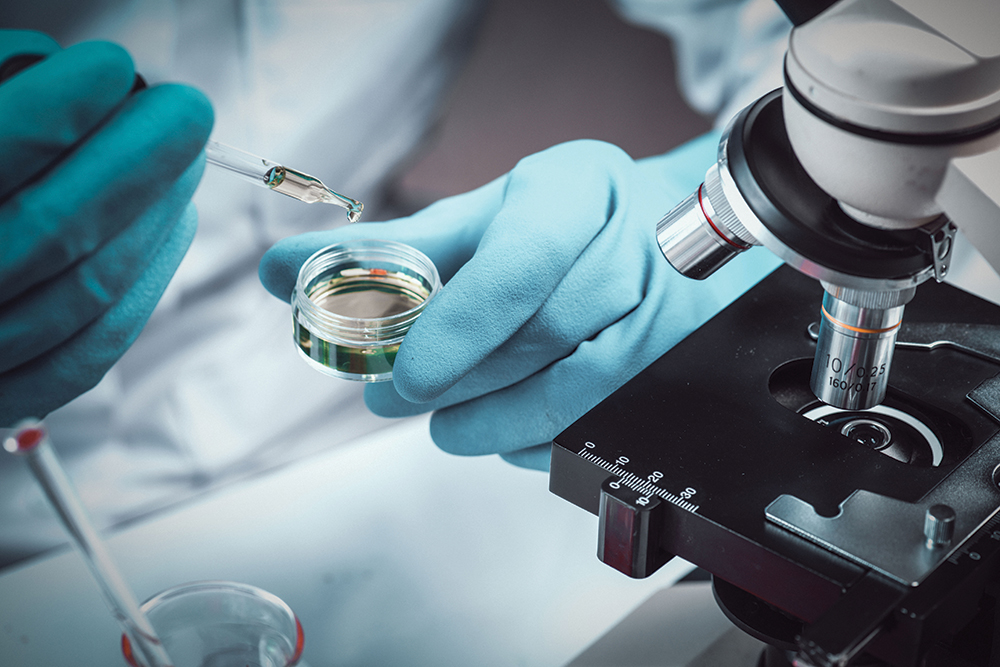
“Climate change is having an irreversible impact on water availability, with increasing extreme weather events leading to more frequent droughts and floods. Pollution, the rising demand and depletion of our vital aquifers are also endangering the wellbeing of all living organisms, from plants to humans,” says Thelma Horsfield, general manager of WearCheck Water, the water analysis division of condition monitoring specialist company, WearCheck. “WearCheck Water provides a range of water analysis techniques to determine water quality for various sectors, including mining, agriculture, domestic and the healthcare industry.”
As fresh water becomes increasingly scarce, water resource management is vital to maintaining the quality of life and economic development of communities around the world. Sustainable water management refers to strategies that ensure that there is enough clean, fresh drinking water to meet the needs of current and future generations in domestic, farming, industrial and other sectors. Water management strategies govern the control and movement of water resources to minimise damage to life and property while increasing the beneficial use of water
Population, household size and growth affect the amount of water used. Factors such as climate change increase the pressure on natural water resources. Some tools to promote the best water-management practices include engineering solutions, data-driven solutions, and enforcement of the environmental policies, which all work together to find solutions to water problems.
“Water management practices can be performed at many levels,” continues Horsfield. “These include government, public, private businesses, NGOs, nature conservation groups, households and individuals.” Some examples are:
• Government: Construction of dams, reservoirs and wetlands for irrigation and development of projects to encourage reuse of water, such as treatment of wastewater (grey water) and rainwater harvesting.
• Private and public business: As part of their social corporate responsibility programmes, businesses may set up water conservation projects such as installation of water meters to monitor water usage, and also leak detection technologies.
• NGOs and conservation groups: They can assist by conducting research into water treatment techniques, organising awareness drives to educate the public on water conservation, recycling and contamination.
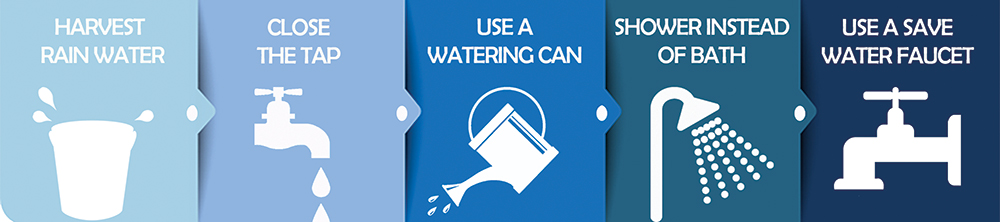
• Households and individuals: These include the steps that individuals can take in their daily water usage such as limiting the duration of shower time, recycling grey water, fixing leaky pipes, using water-saving appliances and installing water-saving fixtures.
Nitration: the acid you didn’t see coming Wearcheck
Maintenance, Test & Measurement, Calibration
Nitration is as destructive as oxidation in many engines but far less understood. WearCheck technical manager, Steven Lumley explains how nitrogen oxide gases degrade lubricants, why the process is difficult to detect, and what oil analysis can reveal before damage occurs.
Read more...Getting the chemistry right
Analytical Instrumentation & Environmental Monitoring
Grace’s European production site has relied on analogue compression load cells from Minebea Intec for decades, with the long-proven measurement concept now serving as the reference for new silo projects as the company expands its capacity.
Read more...Why measurement matters in smelting Endress+Hauser South Africa
Analytical Instrumentation & Environmental Monitoring
South African smelters returning to operation after energy constraints face new demands for tighter control, better visibility and environmental compliance. Endress+Hauser explains how modern measurement technology supports safer, more efficient furnace operation and local beneficiation.
Read more...Sun tracking with pinpoint precision Senseca
Analytical Instrumentation & Environmental Monitoring
Senseca has introduced the SEMS-2000 solar energy measurement system, a 2-axis solar tracker with pinpoint sun-pointing accuracy that automatically monitors direct, global and diffuse irradiance for unattended outdoor solar installations.
Read more...When oil can’t take the heat Wearcheck
Maintenance, Test & Measurement, Calibration
Unlike the slow ageing of oxidation, thermal breakdown is the sudden chemical collapse of a lubricant under excessive heat. Steven Lumley of WearCheck explains how it happens, where it strikes, and how oil analysis detects it.
Read more...When oil gets old Wearcheck
Maintenance, Test & Measurement, Calibration
WearCheck explains how oxidation breaks down lubricating oils over time, and how routine oil analysis can catch the warning signs before equipment failure.
Read more...AMETEK expands 993X gas analyser series with explosion-proof enclosures
Analytical Instrumentation & Environmental Monitoring
AMETEK Process Instruments has added ATEX and IECEx Zone 1-certified explosion-proof enclosures to its 993X series of gas analysers, enabling reliable installation in Zone 1 hazardous locations where purge gas is unavailable.
Read more...WearCheck demonstrates advanced condition monitoring at Electra Mining Wearcheck
News
Condition monitoring specialist WearCheck will demonstrate its used-oil analysis, fuel analysis, transformer chemistry and asset reliability services at Electra Mining Africa as the company marks 50 years of predictive maintenance expertise.
Read more...Why medical device leak testing matters for South Africa's MedTech future ATEQ South Africa
Analytical Instrumentation & Environmental Monitoring
As South Africa works to grow local medical technology manufacturing, non-destructive leak and flow testing is becoming a strategic quality assurance tool, helping manufacturers verify device integrity, meet regulatory requirements and improve production efficiency.
Read more...Moving forward with reverse osmosis
Analytical Instrumentation & Environmental Monitoring
Rising water costs and pressure on infrastructure are changing the way industries view reverse osmosis. G-Chem Aquacare is developing tailored, containerised solutions that make the technology more accessible for South African industry.
While every effort has been made to ensure the accuracy of the information contained herein, the publisher and its agents cannot be held responsible for any errors contained, or any loss incurred as a result. Articles published do not necessarily reflect the views of the publishers. The editor reserves the right to alter or cut copy. Articles submitted are deemed to have been cleared for publication. Advertisements and company contact details are published as provided by the advertiser. Technews Publishing (Pty) Ltd cannot be held responsible for the accuracy or veracity of supplied material.










 printer friendly version