Infrared windows for safe electrical panel inspection
July 2012Maintenance, Test & Measurement, Calibration
Infrared thermal cameras require a direct line of sight to record an accurate image. In order to detect a hot-spot the area to be measured has to be under normal operating conditions, meaning that it must be live and have been so for 20 minutes prior to inspection. This puts maintenance personnel at risk, since they have to open cabinets or doors to gain access to the internal components that they wish to image, even the most comprehensive risk assessments and method statements cannot avoid this. In response, electrical panel manufacturers are now fitting infrared inspection ports in an attempt to make their panels more maintenance friendly.
In the US, regulation NFPA 70E determines the ‘Flash Protection Boundary’ of electrical panels; these boundaries define the safe working distances in which personnel can operate from an energised component. Thermographers must be conversant with these regulations, especially if they intend to remove covers to allow access for a live inspection. Also the NFPA 70E regulations stipulate that, unless the thermographer is a certified electrician and fully conversant and qualified on the equipment under inspection, they will need to be accompanied, thus increasing the manpower requirement for the inspection.
An arc flash does not happen without a trigger, it nearly always begins due to a ‘change of state’ that causes a momentary connection between phases. 99% of the time these arc flash incidents are caused by intervention, opening a panel for example, spontaneous arc flashes very rarely occur.
IR windows offer a safe alternative
IR Windows remove the risks and downtime associated with live inspections. Their use in a thermographic inspection programme removes 99% of the triggers of arc flash incidents while improving electrical safety by allowing safe, regular infrared inspections of energised and loaded electrical switchgear.
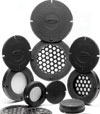
Although there are several types of IR window available on the market, all have the same basic form of an optic material transparent to IR energy encapsulated in a holder. The ideal IR window is one that would allow infrared radiation to pass through it with zero losses. Unfortunately this is not possible with the materials currently available, but it is possible to get close enough that measurement accuracy is not compromised. IR windows can remove the risks and downtime associated with live inspections.
Microdieseling – the explosions you never hear
Maintenance, Test & Measurement, Calibration
Microdieseling is a pressure-induced thermal degradation mechanism in which entrained air bubbles are compressed so rapidly that the surrounding oil ignites, producing soot, varnish and sludge. WearCheck explains how it happens, why the damage varies, and how oil analysis detects it.
Read more...Electrostatic spark discharge – when static strikes back Wearcheck
Maintenance, Test & Measurement, Calibration
WearCheck technical manager, Steven Lumley explains how static electricity accumulates in modern low-conductivity lubricants, why compact system designs and fine filtration make ESD more likely, and how to recognise the degradation it leaves behind.
Read more...High-speed cameras for crash testing Horne Technologies
Maintenance, Test & Measurement, Calibration
Vision Research has expanded its Phantom C-series with two cameras optimised for crash and safety testing, offering 4 and 8 megapixel sensors rated to 170G, up to 1180 frames per second, and Phantom Academy application training planned for South Africa next year.
Read more...SKF extends remanufacturing expertise to bearing clearance modification SKF South Africa
Maintenance, Test & Measurement, Calibration
Using its clearance modification expertise, SKF helped a mining equipment OEM salvage spherical roller bearing inventory that would otherwise have been scrapped, confirming a new capability within its remanufacturing services and avoiding redundant procurement.
Read more...When maintenance-system compliance starts replacing plant reliability Wearcheck
Maintenance, Test & Measurement, Calibration
WearCheck ARC division manager, Annemie Willer argues that the greatest threat to effective maintenance is no longer a lack of technology, but the gradual replacement of technical judgement by CMMS compliance, leaving no one owning the machine.
Read more...Nitration: the acid you didn’t see coming Wearcheck
Maintenance, Test & Measurement, Calibration
Nitration is as destructive as oxidation in many engines but far less understood. WearCheck technical manager, Steven Lumley explains how nitrogen oxide gases degrade lubricants, why the process is difficult to detect, and what oil analysis can reveal before damage occurs.
Read more...KSB makes mechanical seals for its own pumps and other brands
Maintenance, Test & Measurement, Calibration
KSB Pumps and Valves is expanding its range of mechanical seals to fit its own pumps and competitor brands. The portfolio covers component and cartridge seals, API 682-compliant systems, slurry and high-pressure seals, and ATEX-certified solutions, supported by refurbishment and field service capabilities.
Read more...Omniflex delivers ICCP systems in London Omniflex Remote Monitoring Specialists
Maintenance, Test & Measurement, Calibration
Omniflex has supplied impressed current cathodic protection systems for landmark London buildings, protecting reinforced concrete from corrosion and extending the service life of commercial, retail and heritage sites.
Read more...Modernising acid cooler protection without disrupting production Omniflex Remote Monitoring Specialists
Maintenance, Test & Measurement, Calibration
Omniflex has supplied an advanced anodic protection control system to phosphate producer Foskor, replacing a legacy transformer rectifier system while maintaining uninterrupted production. The distributed PowerView CP solution provides remote monitoring and DCS integration.
While every effort has been made to ensure the accuracy of the information contained herein, the publisher and its agents cannot be held responsible for any errors contained, or any loss incurred as a result. Articles published do not necessarily reflect the views of the publishers. The editor reserves the right to alter or cut copy. Articles submitted are deemed to have been cleared for publication. Advertisements and company contact details are published as provided by the advertiser. Technews Publishing (Pty) Ltd cannot be held responsible for the accuracy or veracity of supplied material.










 printer friendly version