



When it comes to automation systems, complexity tends to grow faster than performance. Each new generation of machines promises higher precision, greater flexibility and faster commissioning. The reality is that these ambitions often translate into more wiring, more configuration and more integration headaches. The result is a development cycle that’s harder to control at a point when customers expect shorter lead times and lower costs.
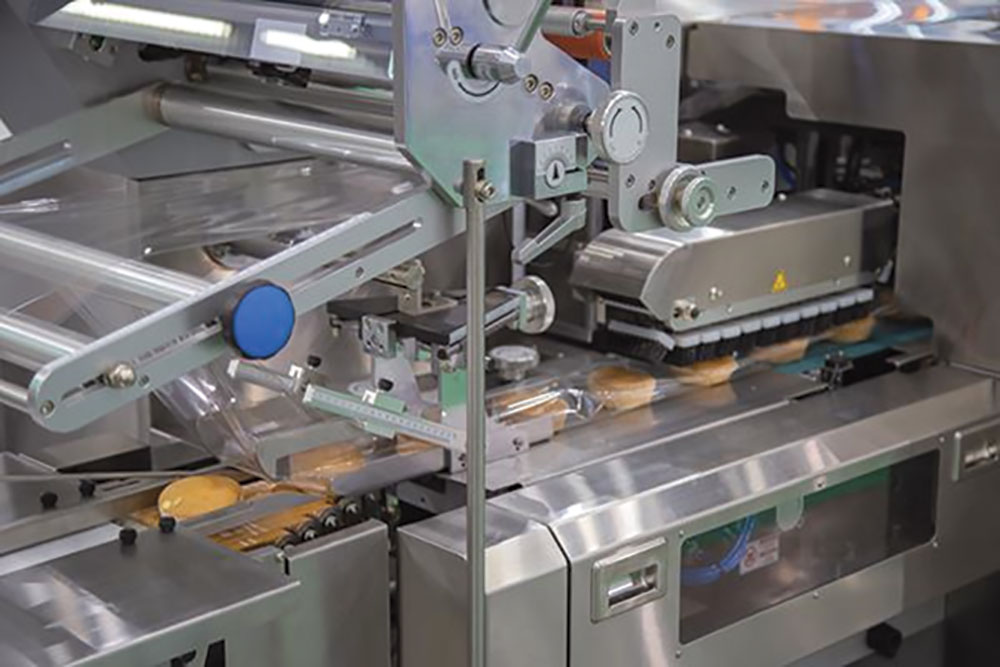
As automation systems grow more complex, machine builders are rethinking how they design and deploy motion. Nicola Pezzolato, application engineering leader at Kollmorgen, explores how a new generation of servo technology is helping manufacturers simplify design, improve flexibility and build greater resilience into their supply chains.
This is the challenge facing today’s machine builders: they’re under pressure to deliver high-performing systems in record time while navigating unpredictable supply chains, competing global standards, and shifting component availability. In this environment, the biggest advances can come from rethinking the fundamentals rather than adding new features or exotic capabilities.
The shift involves three key ideas. The first is right-sizing by ensuring that systems include only the functions and features that add value, instead of paying for capabilities that will never be used. The second is openness: creating motion systems that can connect freely across different controllers, protocols and markets without locking users into closed ecosystems. The third is resilience, designing equipment that can be built and supported reliably, even amid global uncertainty.
Together, these principles define a new approach to motion control, one where flexibility, reliability and simplicity are not in conflict, but part of the same design philosophy.
The cost of unnecessary complexity
In the effort to design flexible machines, many OEMs end up over-specifying their motion systems. They select servo drives and motors packed with advanced features that have plenty of potential benefits in theory but, in practice, will never be used. The motivation behind this is very understandable. Buying the top-end option can seem like a safe hedge against future requirements and edge-cases.
However, this approach carries hidden costs as each unused feature adds overheads in engineering effort, configuration time and inventory management. Over-specified systems also tend to demand more from the control environment, all the way from safety validation to thermal management. Multiply this by dozens of axes, and the cost of complexity can become a serious drag on development efficiency and real-world usage.
In our experience, we’ve found that around 80% of applications only use a relatively basic set of essential features. A more effective design strategy is to take a modular view of machine design, choosing motion components that deliver exactly the capabilities required for a given task, without the excess. This doesn’t mean compromising on performance. Rather, it’s about applying the same precision we value in motion control to system design itself.
This ‘right-sizing’ philosophy is gaining traction across the automation world. It’s reflected in the growing demand for servo platforms that can cover the majority of applications with standardised, streamlined options. By eliminating unnecessary features and focusing on what most users actually need, machine builders can simplify their engineering process and improve time to market, while still meeting demanding performance standards.
Open systems, not closed ecosystems
Many control platforms form what can only be described as closed ecosystems where the controller, drives, software and cabling are designed to work only with each other. In theory, this ensures compatibility. In practice, however, it often creates inefficiencies. It ties machine builders to a single vendor, restricting flexibility and creating difficulties when supply issues arise or when a customer prefers a different PLC environment.
A more open, interoperable approach is now emerging that aims to give OEMs freedom without sacrificing reliability. Multi-protocol servo drives, for instance, can operate across EtherCAT, PROFINET, and EtherNet/IP networks through simple software configuration rather than hardware changes. This allows the same drive and motor platform to integrate with a wide range of controllers and fieldbus architectures, regardless of geography or customer preference.
For global machine builders, this is a major advantage. A machine designed for one market can be deployed in another without reworking the control architecture or maintaining separate bills of materials for each protocol. This simplifies certification, reduces engineering overheads and improves long-term serviceability.
Open systems also make it easier to mix and match technology partners. Drives and motors can come from one supplier, PLCs and HMIs from another. So long as everyone speaks the same ‘language’ through standardised communication layers, they can work together effectively.
This not only helps to simplify set-up and avoid compatibility issues, it also helps OEMs build resilient systems and respond quickly when components are scarce or delayed.
Meeting modern expectations
For machine builders, openness and simplicity enables better business decisions. When hardware can be deployed across multiple regions and control architectures, inventory management becomes easier. When drive systems are available from stock with predictable lead times, project planning becomes more reliable; and when software tools minimise the risk of setup errors, commissioning becomes faster and more consistent across teams and sites.
This is why the industry is beginning to see a shift in mindset. The old thinking that more features means more capability is giving way to something more nuanced. Enough features, applied intelligently, bring better outcomes.
Manufacturers, like Kollmorgen, have responded to this change by developing servo platforms built around the essential features most users need, rather than every feature that could be imagined. Systems like the Kollmorgen Essentials range reflect a pragmatic approach to automation. This involves maintaining high-quality performance and global interoperability while trimming away unnecessary complexity.
The result is a recalibration, recognising that not every axis needs to be over-engineered, not every machine needs bespoke integration, and not every component needs to be tied to a single ecosystem.
The world of automation is advancing rapidly and it’s easy to fall into the trap of thinking that the best way to meet the challenges of tomorrow is to jam every piece of technology possible into your system. However, the smartest progress often comes from simplifying, rather than adding. By focusing on openness, resilience and right-sized design, machine builders can achieve faster development, lower cost and greater confidence in their systems, even as the world around them becomes more complex.
For more information contact Kollmorgen,






© Technews Publishing (Pty) Ltd | All Rights Reserved
 printer friendly version