



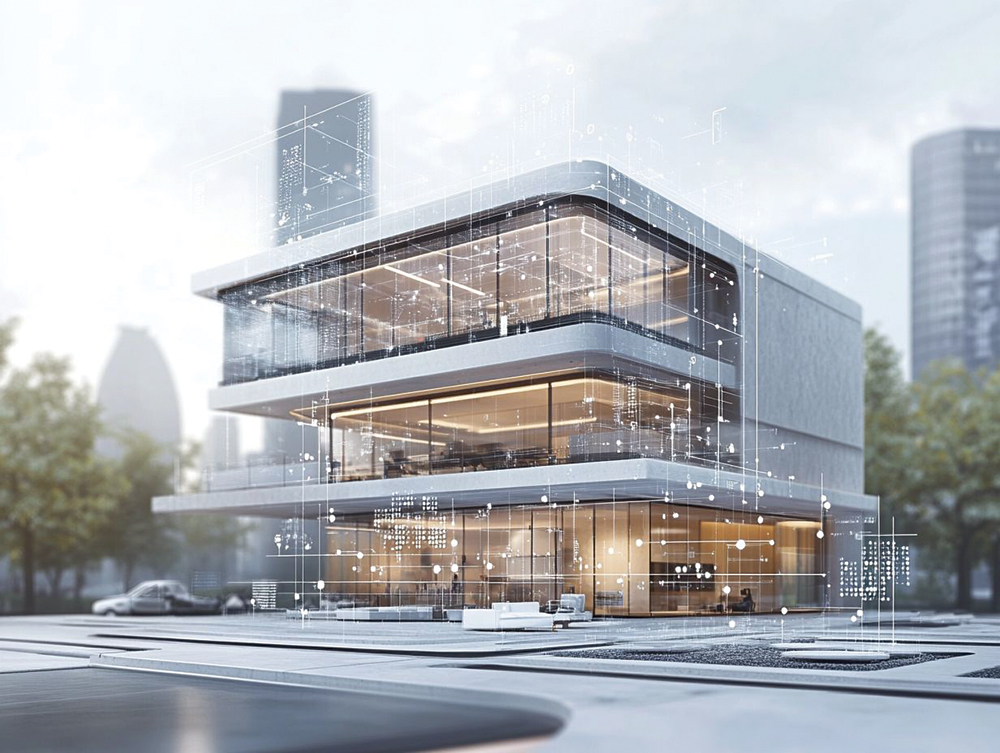
Africa is now an urban continent. In fact, it’s urbanisation is being heralded as a global megatrend, expected to rise to 60% by 2050, according to the Africa Union’s ‘Sustainable Urbanisation for Africa’s Transformation: Agenda 2063’.
Indeed, with an average annual urban growth rate of 3,5% in the last 20 years, Africa has seen the largest urbanisation in the developing world.
However, like most things in life, the above also comes with a caveat. How does the continent mobilise to accommodate urban dwellers and maintain and implement critical infrastructure that allows for this expansion? While not a silver bullet, building management systems (BMS) provide a tangible solution to optimise resource use, lower operations costs and ultimately contribute to a growing continent that also employs green practices.

The megatrend, today
Africa’s urbanisation trend is marked by large-scale infrastructure developments in cities like Nairobi in Kenya, Kigali in Rwanda, and Nigeria’s financial powerhouse, Lagos. These cities are investing in expansive residential, commercial and industrial spaces, all of which will drive up energy demand.
At the same time, existing brownfield sites are also being upgraded to meet modern energy efficiency standards. Here, BMS solutions are critical for retrofitting old structures and improving efficiency without requiring complete overhauls. Historically, BMS has been associated with large-scale applications in high-end commercial buildings, hotels and office towers. Fortunately, these solutions can now be scaled into more cost-effective solutions, tailored for smaller applications such as small business, retail shops and even homes.
Schneider Electric’s EasyLogic range, for example, was developed specifically for emerging markets in Africa, the Middle East and South America offering a lower cost- yet highly functional- alternative.
Scaled, this BMS can now be implemented in a variety of settings, offering the benefits of automation, energy efficiency and sustainability that are traditionally reserved for large organisations.
Energy and water efficiency
It is well known that energy supply remains a stumbling block on the African continent. Many African countries today struggle with supply shortage, while escalating costs put further strain on overtaxed economies. Again, BMS can assist, offering automation and system control such as lighting, heating, ventilation and air conditioning (HVAC), which can significantly reduce energy usage.
In South Africa, buildings equipped with BMS have reported energy consumption reductions of up to 40%, aligning with national carbon neutrality targets. Furthermore, BMS offers exceptional integration with renewable sources, intelligently managing the transition between conventional and alternative sources.
Water is not the first thing that spring to mind when thinking of building management; but in countries such as South Africa where water is a scarce commodity, BMS can be invaluable. These systems incorporate advanced monitoring and control mechanisms to optimise water usage, ensuring effective irrigation, leak detection and wastewater management, to name a few.
Importantly, it contributes to long-term water conservation efforts, making them indispensable in both urban and rural settings.
Improving indoor quality
With so many people now frequenting urban buildings, occupancy comfort should also be prioritised. BMS significantly improves indoor air quality and occupant well-being by optimising the HVAC operations that regulate airflow, maintain optimal humidity levels and reduce indoor pollutants. Healthier environments translate to improved productivity in offices, better learning conditions in schools and enhanced patient care in healthcare facilities.
| Tel: | +27 11 254 6400 |
| Email: | [email protected] |
| www: | www.se.com/za/en/ |
| Articles: | More information and articles about Schneider Electric South Africa |






© Technews Publishing (Pty) Ltd | All Rights Reserved
 printer friendly version