



Lithium is an element that is essential for the development of batteries and electric vehicles. This could force new public-private partnerships for leading suppliers Albemarle and SQM.
Chile’s government in late April announced plans to nationalise its lithium industry. Such a policy could have worldwide repercussions on the battery and electric vehicle industries. Under the proposal, the world’s largest lithium-producing companies, U.S.-based Albemarle and Chinese-dominated SQM, will be allowed to continue their current contracts, but will be forced into public-private partnerships upon their expiration.
This move by Chile is not isolated. Last year, Mexico nationalised its lithium reserves, while Bolivia, which holds arguably the world’s largest unexplored reserves, called for a joint Latin American lithium exploitation policy. Considering that about 60% of the world’s reserves are in the ‘lithium triangle’ − Argentina, Bolivia and Chile − there is talk of this becoming the ‘OPEC of lithium’.
Comparisons to OPEC make many fear that a similar de facto cartel may be emerging for the world’s battery market. But there are big differences between the exploitation of oil and lithium.
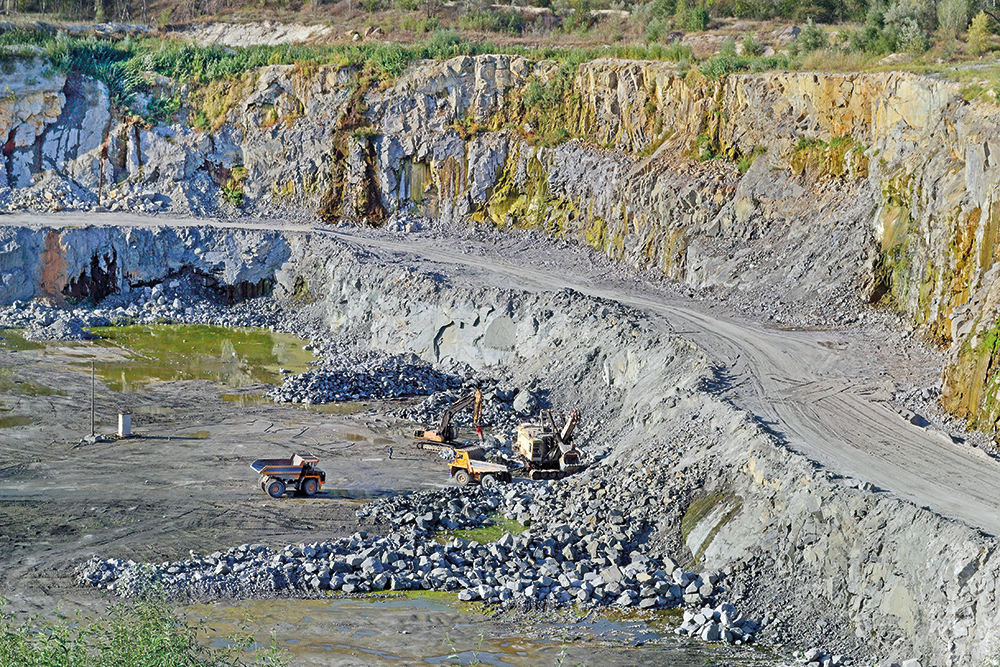
Lithium reserves mostly exist in ‘free’ countries
With the exception of China, the world’s largest reserves of lithium are in functioning democracies; the world’s largest reserves of oil are not. Making an argument for nationalisation in a democracy is easier than in absolute monarchies. In the latter, profits mostly benefit the narrow elite, while at least in principle, benefits of a nationalised resource are more equitably spread in a democratic society. Norway offers a model in using its nationalised oil resources to create immense, well-managed wealth for its people, while keeping some of the highest environmental standards in the world.
Nationalisation will also be wresting control of the world’s lithium away from China and the US. This is a good thing due to China’s troublesome record of environmental stewardship with mining, while the US has a long-standing history of meddling in the affairs of Chile, from price-capping Chilean profits from copper prior and during World War II, to the overt support for the 1973 coup that ushered decades of brutal Pinochet dictatorship.
Battery tech helps the environment
Globally, the development of battery technologies benefits the environment as it decreases the consumption of fossil fuels. In lithium-producing countries, things are not as clear-cut − mining causes environmental degradation and consumes large amounts of water. Nationalisation would bring state control over the industry and make across-the-board implementation of environmental standards non-controversial.
This would be much harder to do with multinational corporations, which reap the subsidies for clean batteries in lithium-consuming countries and then lobby against environmental regulations in lithium-producing countries. In fact, some environmentalists argue that even the US fossil fuel industry should be nationalised to bring their emissions under direct federal control and eliminate the disproportionate influence of lobbyists and sympathetic senators over the nation’s environmental policies.
Oil is a consumable, and lithium is a durable
A gasoline-powered car burns fresh oil every day, but an electric car does not consume lithium daily. Like steel in the engine block, lithium is a permanent part of the car’s battery. Today, the demand for lithium will increase as more people adopt electric vehicles. In a couple of decades, however, this demand likely will slow once the electric car market reaches saturation.
Another source of uncertainty could come from breakthroughs in lithium recycling. Currently, less than 1% of all lithium is recycled, but better recycling technology would dramatically decrease the demand for new lithium, allowing its reuse from spent batteries; and lithium is simply very scarce: about a thousand times less abundant than sodium or magnesium, its close chemical relatives.
Research on the batteries made from these ubiquitous metals is booming. Once practical devices are demonstrated, they could quickly spell the end of lithium-ion batteries. The fortunes of lithium producers are far from assured, and nationalised lithium production may be better able to plan for the wide future fluctuations in the demand for the metal.
The six decades of OPEC’s existence highlighted its strengths and weaknesses many times over. Its lithium-focused equivalent − if it indeed materialises − should learn the lessons from OPEC’s tumultuous history and build upon them through the involvement of democratic, environmentally conscious and locally responsible governments of South America.






© Technews Publishing (Pty) Ltd | All Rights Reserved
 printer friendly version