



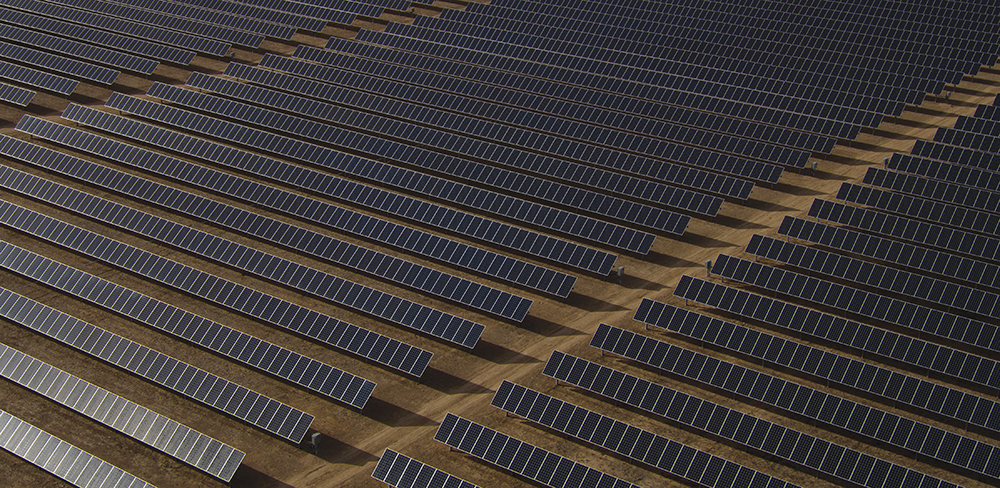
Energy storage systems come in many guises. Depending on the application, innovations, and availability, different types of energy storage technologies are currently available. Some examples include:
• Batteries.
• Pumped hydro storage.
• Flywheels.
• Compressed air energy storage.
• Thermal energy storage.
• Hydrogen storage.
Energy storage systems are becoming increasingly important as the world transitions to a more sustainable energy future. Innovation in energy storage systems can help reduce greenhouse gas emissions, improve grid stability and reliability, and increase energy access and security.
Energy storage is crucial for the further development of renewable energy sources and the decentralisation of energy generation because it helps to address the inherent intermittency of these sources, manage peak demand, improve grid stability and reliability, and facilitate the integration of small-scale renewable energy systems into the grid.
Intermittency of renewable energy sources: Renewable energy sources are inherently intermittent, meaning that they are not constantly generating energy, but depend on the availability of natural resources like the sun and wind. Energy storage makes it possible for excess energy to be stored when it’s highly available in peak production hours, to later be released when it’s needed, thereby smoothing out the variability of these energy sources.
Managing peak demand: Similarly, energy storage can help to manage peak demand by storing excess energy during off-peak hours and releasing it during times of high demand. This can reduce the need for additional generating capacity, and help avoid blackouts and brownouts.
Grid stability and reliability: Energy storage can improve grid stability and reliability by providing backup power during outages, and balancing the supply and demand of energy.
Decentralisation of energy generation: Energy storage can facilitate the decentralisation of energy generation by allowing small-scale renewable energy systems, such as rooftop solar panels, to store excess energy and feed it back into the grid when needed. This can increase energy independence and facilitate smart grids.
Four key drivers for energy storage systems
The increasing use of renewable energy sources is a major driver for energy storage systems. Given the intermittent nature of renewable energy sources, energy storage systems become key to help store excess energy during times of high generation, and release it when needed, making renewable energy more reliable and consistent.
Ageing infrastructure and growing demand for electricity are driving the need for grid modernisation. Energy storage systems can help to improve the reliability and stability of the grid, reduce the need for new power plants, and support the integration of distributed energy resources and the decentralisation of production.
Energy storage systems can help empower consumers and gain independence as they provide backup power during outages and reduce reliance on the grid.
The need to reduce greenhouse gas emissions and mitigate the impacts of climate change is driving the growth of renewable energy sources and energy storage systems. Integration and innovation in this sector can help battle the race to reduce the reliance on fossil fuels and promote a more sustainable energy future.
Five application trends for the energy storage systems sector
1. Lithium-ion: Plummeting costs, advanced batteries, and alternatives
In 2010, the cost of lithium-ion batteries was around $1100/kWh. By 2020, the cost had fallen to around $137/kWh, representing an 89% decline in just ten years. This trend is expected to continue, with some industry experts predicting that the cost of lithium-ion batteries could fall to as low as $60/kWh by 2030. The plummeting costs of lithium-ion batteries have made energy storage systems more cost-competitive with traditional grid infrastructure and have contributed to the growth of the energy storage industry. As the cost of lithium-ion batteries continues to decline, even greater adoption of energy storage systems can be expected.
However, while lithium-ion batteries have proven benefits like high energy density, long cycle life, low self-discharge rate, fast charging time, widespread availability, and established market, they come with their own downsides. Some of these are the limited raw material availability, risk of overheating and flammability, and environmental concerns related to extraction and disposal.
These concerns have also paved the way for the second major trend for energy storage systems.
2. Alternative battery technologies
As the trends continue to focus more on cleaner energies and safer alternatives, innovation for battery technology becomes a huge area of opportunity. With that in mind, a few recurring topics that are worth exploring for the future have been spotted.
• Solid-state batteries: these use a solid electrolyte instead of a liquid one, which can lead to higher energy density, faster charging, and improved safety.
• Redox flow batteries: these store energy in external tanks containing electrolytes, allowing for greater scalability and longer cycle life.
• Sodium-ion batteries: these use sodium ions instead of lithium ions, which are more abundant and cheaper to extract, although they have lower energy density and are less mature than lithium-ion batteries.
3. Energy Storage as a Service (ESaaS)
ESaaS providers install and operate the energy storage systems on behalf of customers, who pay a monthly or annual fee for the service. This allows customers to benefit from the advantages of energy storage without the upfront capital investment or ongoing maintenance costs associated with owning and operating the systems. ESaaS providers may also offer additional services such as energy management and optimisation to further enhance the value proposition for customers. The ESaaS model is gaining traction in various markets, including commercial and industrial, residential, and utility-scale applications, and is expected to continue to grow as the energy storage market expands.
4. Portable electronic devices
The energy density, cycle life, and charging time of batteries are key factors that determine the performance and user experience of portable electronic devices. The development of new battery chemistries promises to deliver improvements in these areas, resulting in a wide range of innovation possibilities as portable electronic devices increasingly become a part of daily life.
5. E-mobility
EVs rely on rechargeable batteries to store energy and power their electric motors. The energy density, charging time, and lifespan of these batteries are crucial factors that affect the performance, range, and durability of EVs. Energy storage solutions are also necessary for the deployment of charging infrastructure, including fast-charging stations, which require large amounts of power in short periods of time. Energy storage can help to mitigate the variability and intermittency of renewable energy sources, such as wind and solar, which can be integrated into the EV charging ecosystem to further reduce carbon emissions and improve energy efficiency. As the EV market continues to grow, advancements in battery technology, charging infrastructure, and energy management systems will be essential to further improve the performance and affordability of EVs and accelerate the transition to a more sustainable transportation system.
Conclusion
Energy storage systems are essential for the further development of renewable energy sources and the decentralisation of energy generation. As technology continues to improve and costs continue to decline, energy storage is poised to play an increasingly important role in the transition to a more sustainable and resilient energy system.
| Tel: | +27 21 421 8292 |
| Email: | [email protected] |
| www: | www.futureelectronics.com |
| Articles: | More information and articles about Future Electronics |






© Technews Publishing (Pty) Ltd | All Rights Reserved
 printer friendly version